
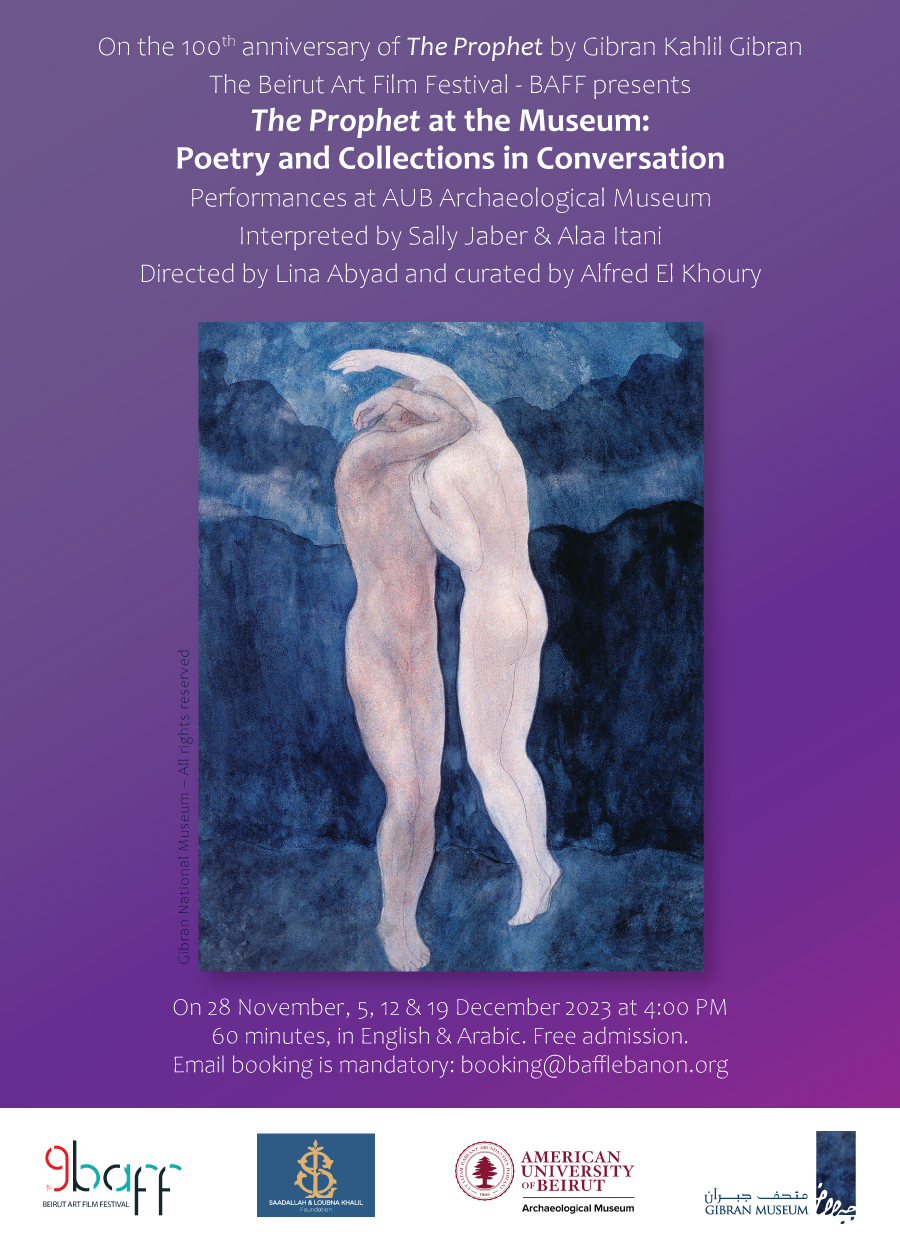
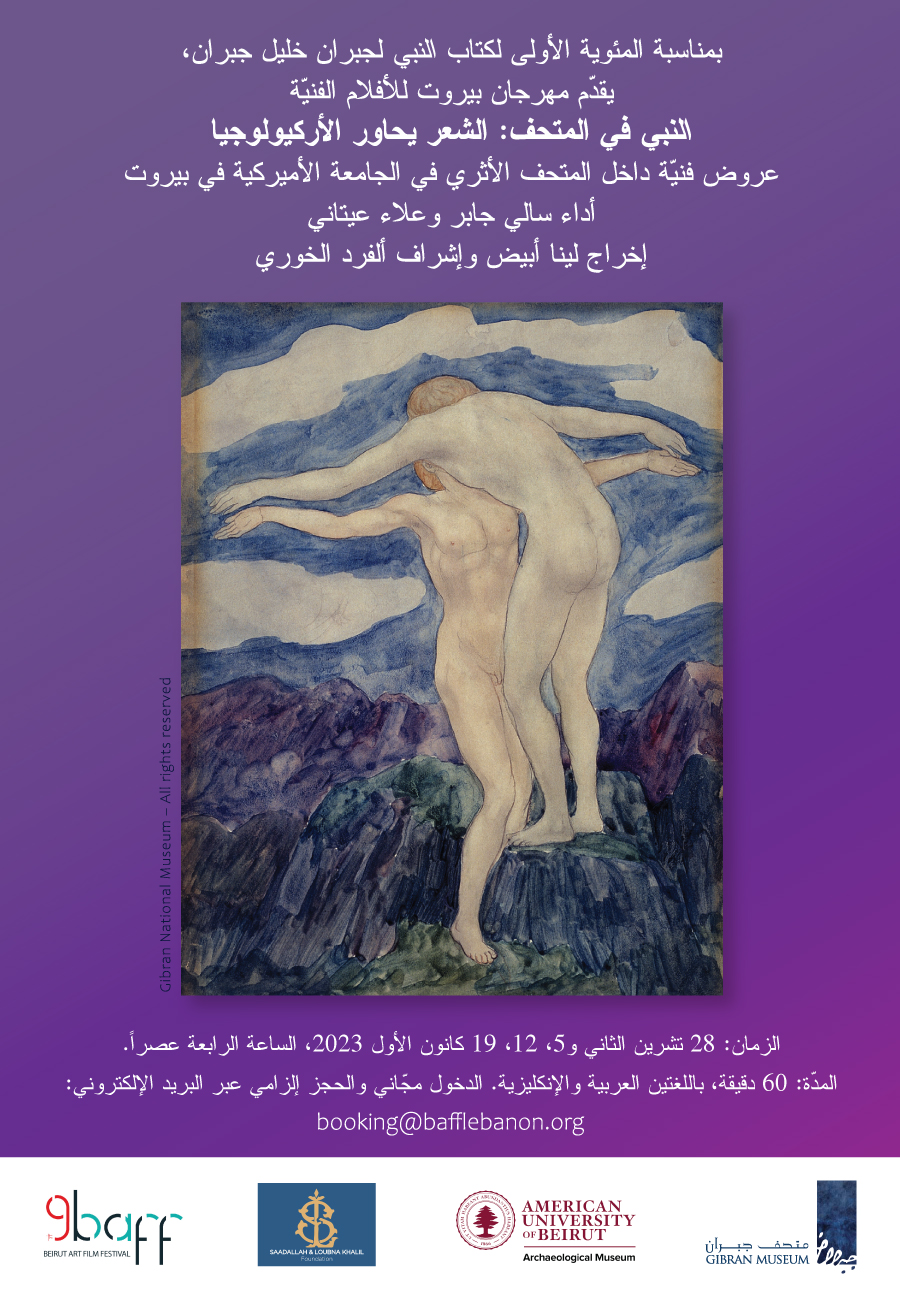
The Prophet at the Museum: Poetry and Collections in Conversation.
4 performances at American University of Beirut Archaeological Museum.
28 November, 5, 12, & 19 December 2023 at 4:00 PM
Email booking is mandatory.
The Prophet at the Museum: Poetry and Collections in Conversation.
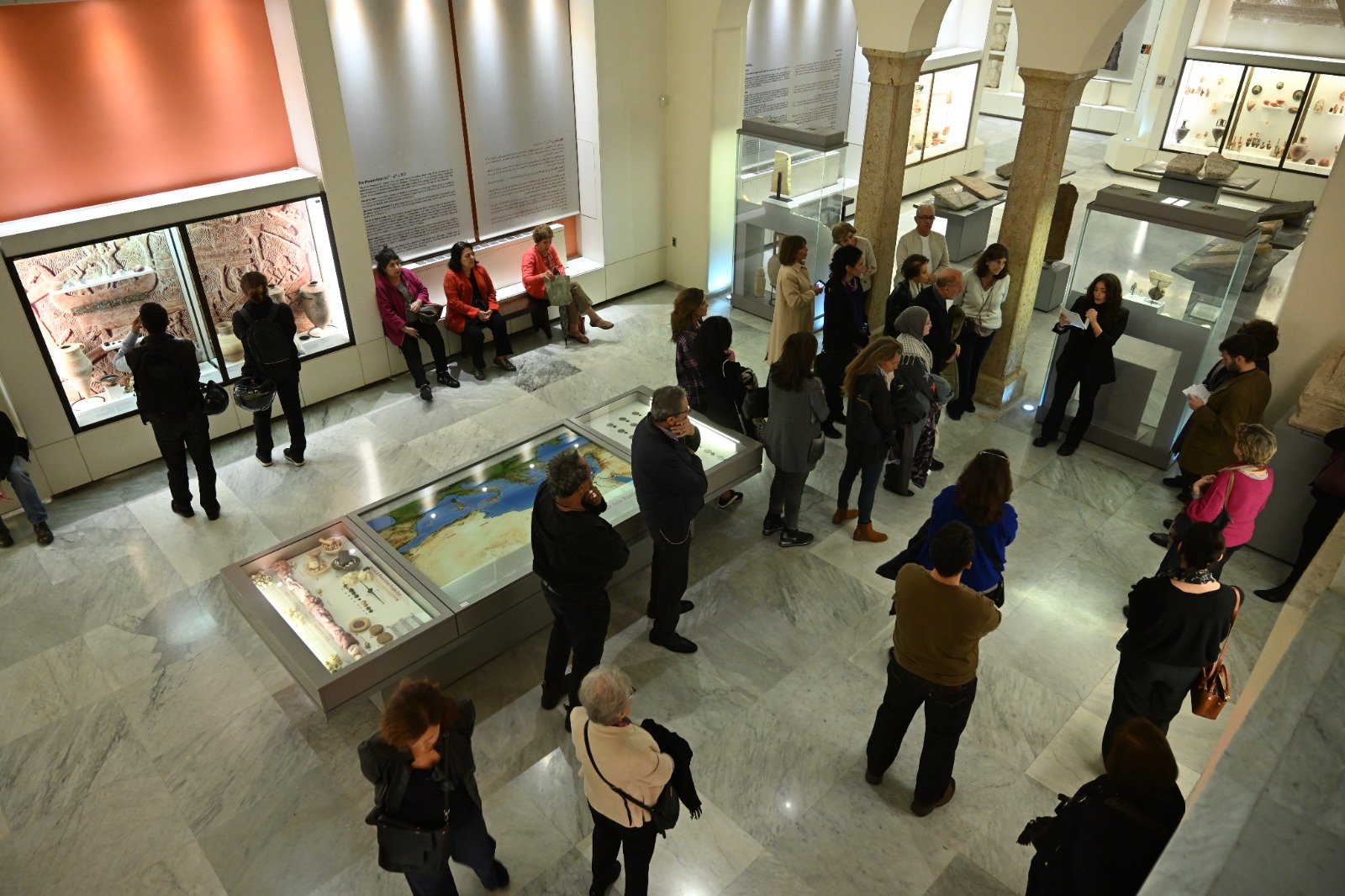
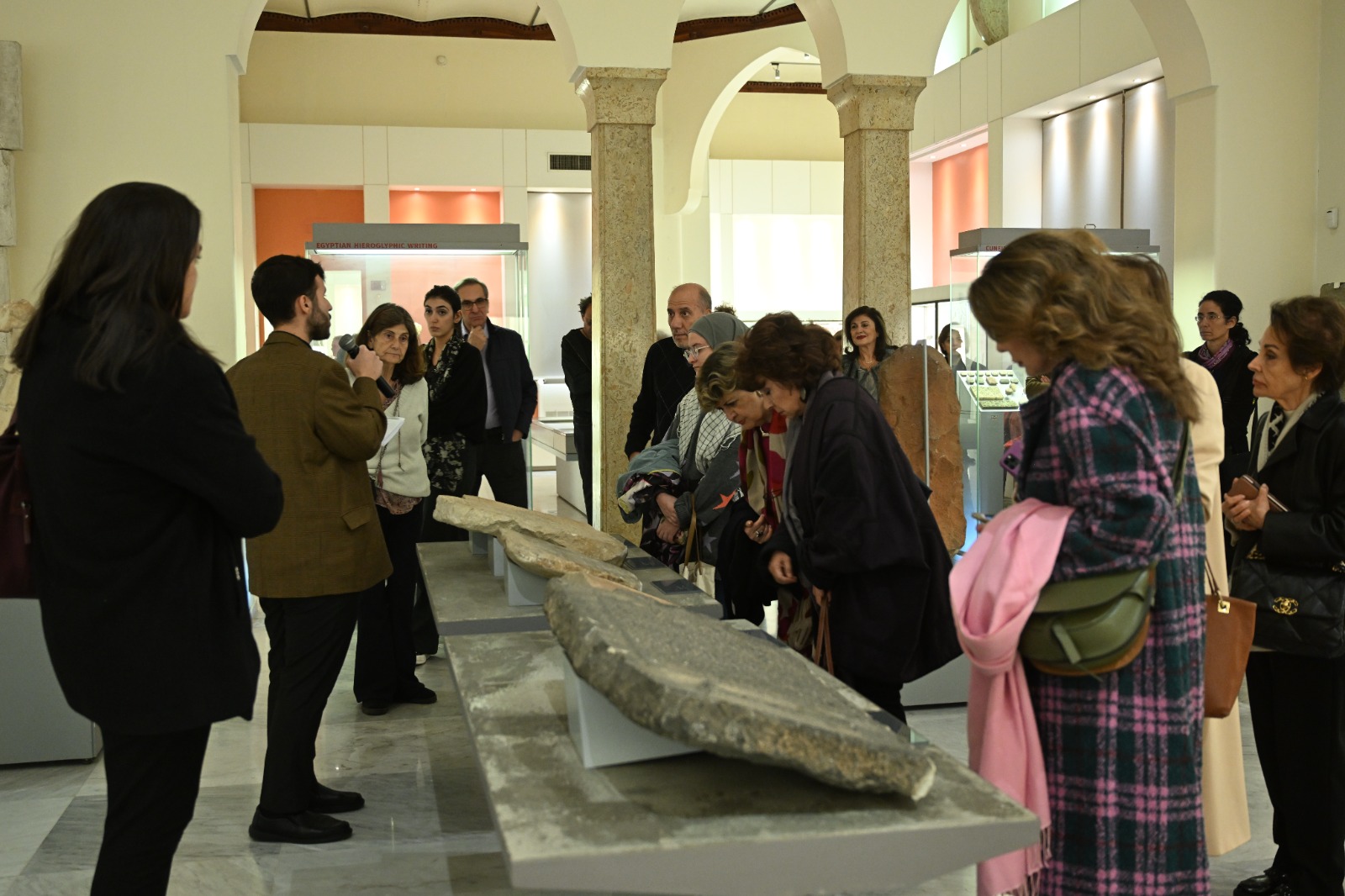
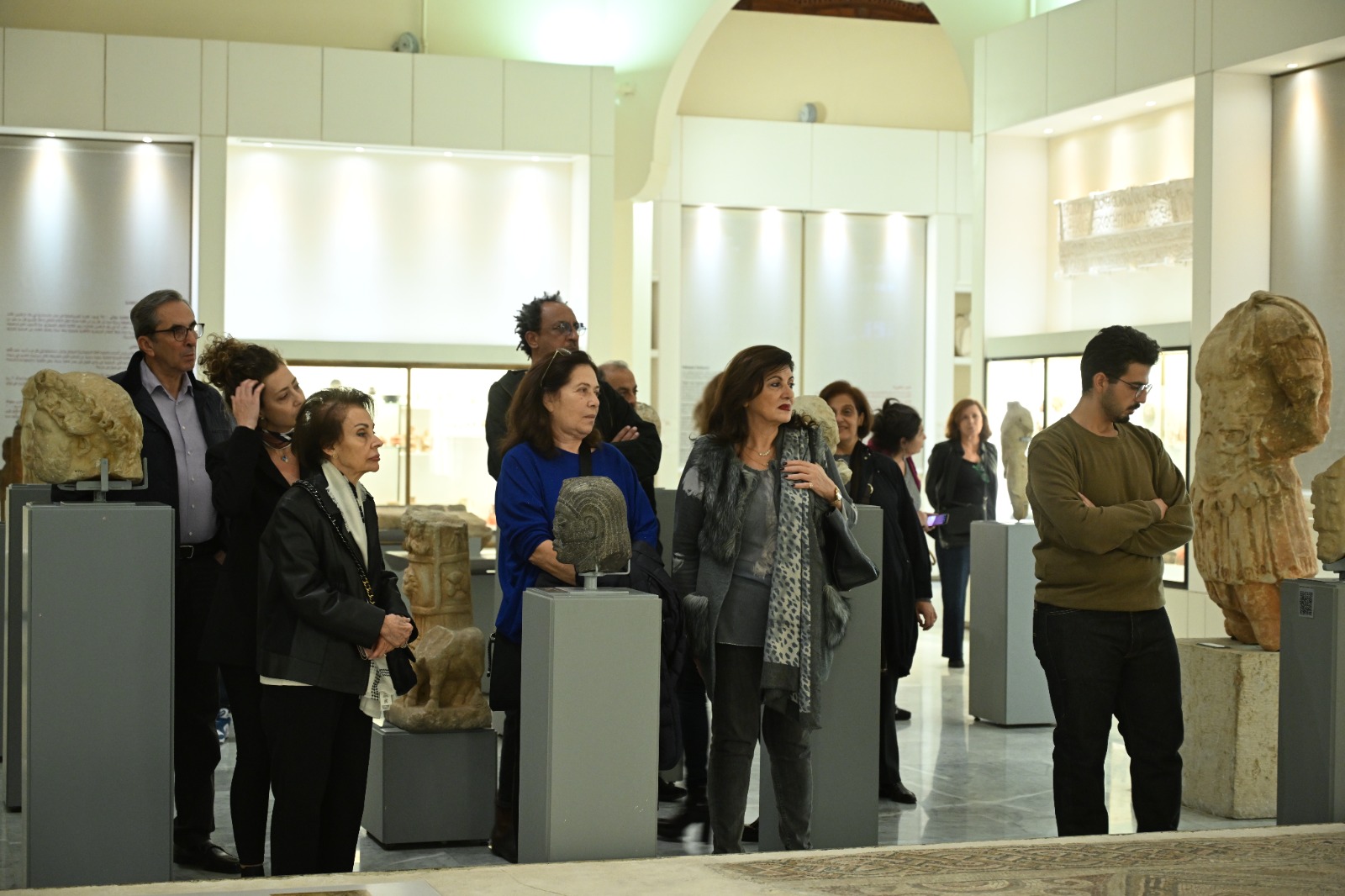
4 performances at AUB Archaeological Museum, initiating a conversation
between the book’s 26 chapters and various sections of the museum.
28 November to 19 December 2023.
2023 marks the hundredth anniversary of The Prophet, Kahlil Gibran’s most famous work. Published in New York in 1923, the book has never been out of print since then, selling more than 11 million copies in its American edition. The Prophet has not only crossed the threshold of the number 100 in terms of years, but it did it also in space or rather in “tongues”: it has been translated to more than 115 languages around the world, which makes it one of the most translated books in history. From the early translations into German (1925), Arabic (1926), French (1926), Dutch (1927) and Yiddish (1929), to the recent ones into Amharic (2011), Gujarati (2011), Lombard (2015) and Galician (2018), The Prophet’s remarkable dissemination through space and time accounts to the universality and timelessness of its message.
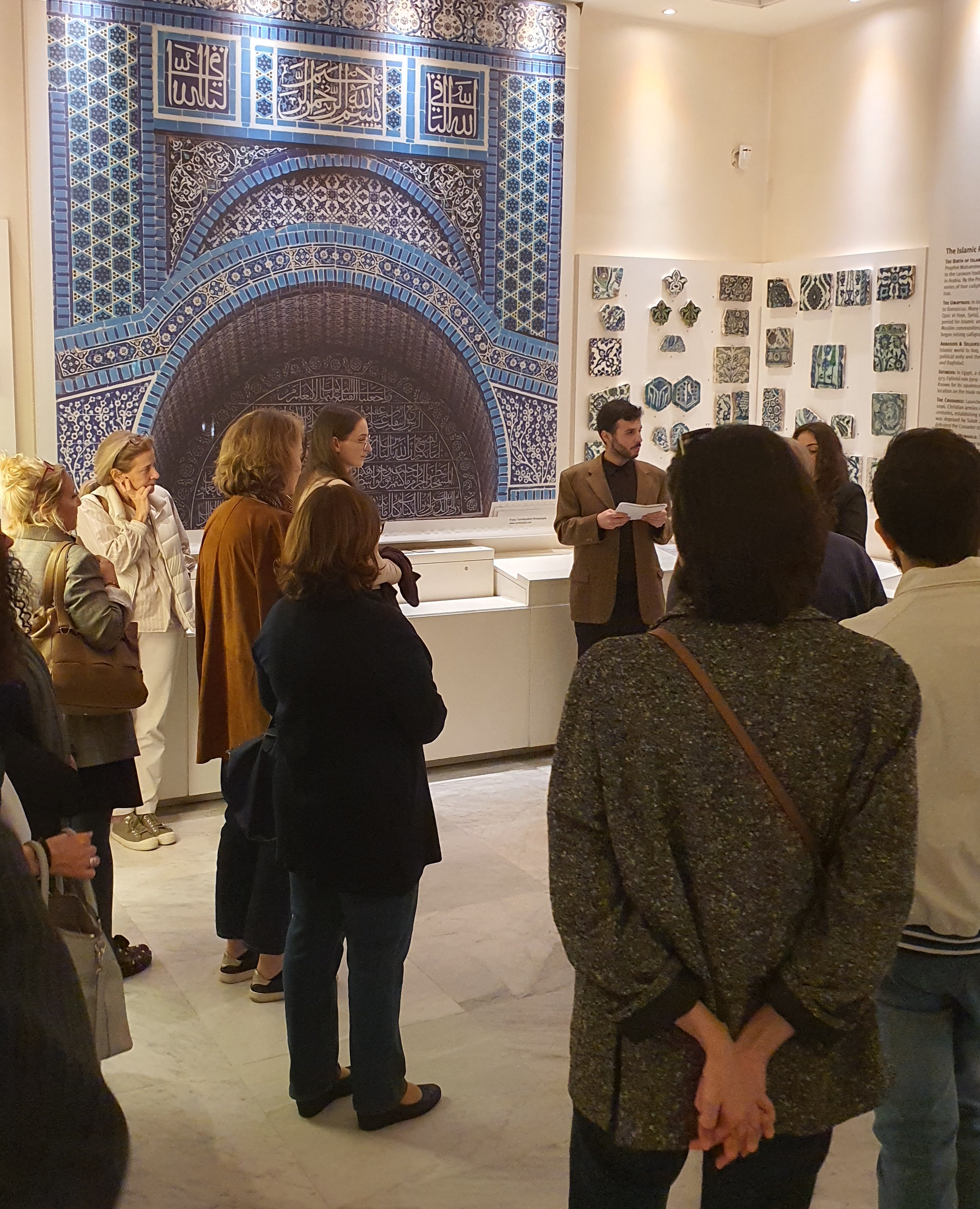
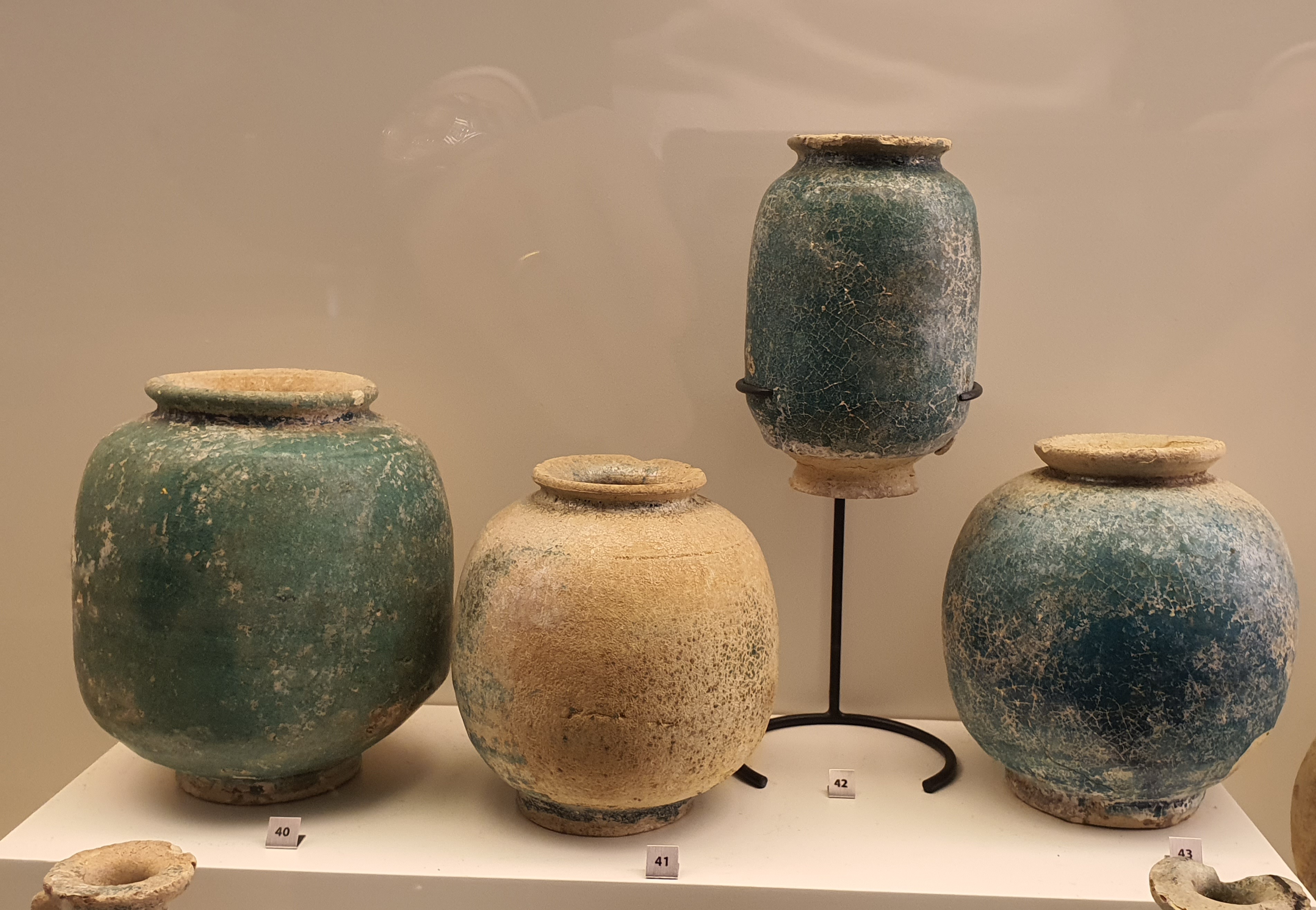
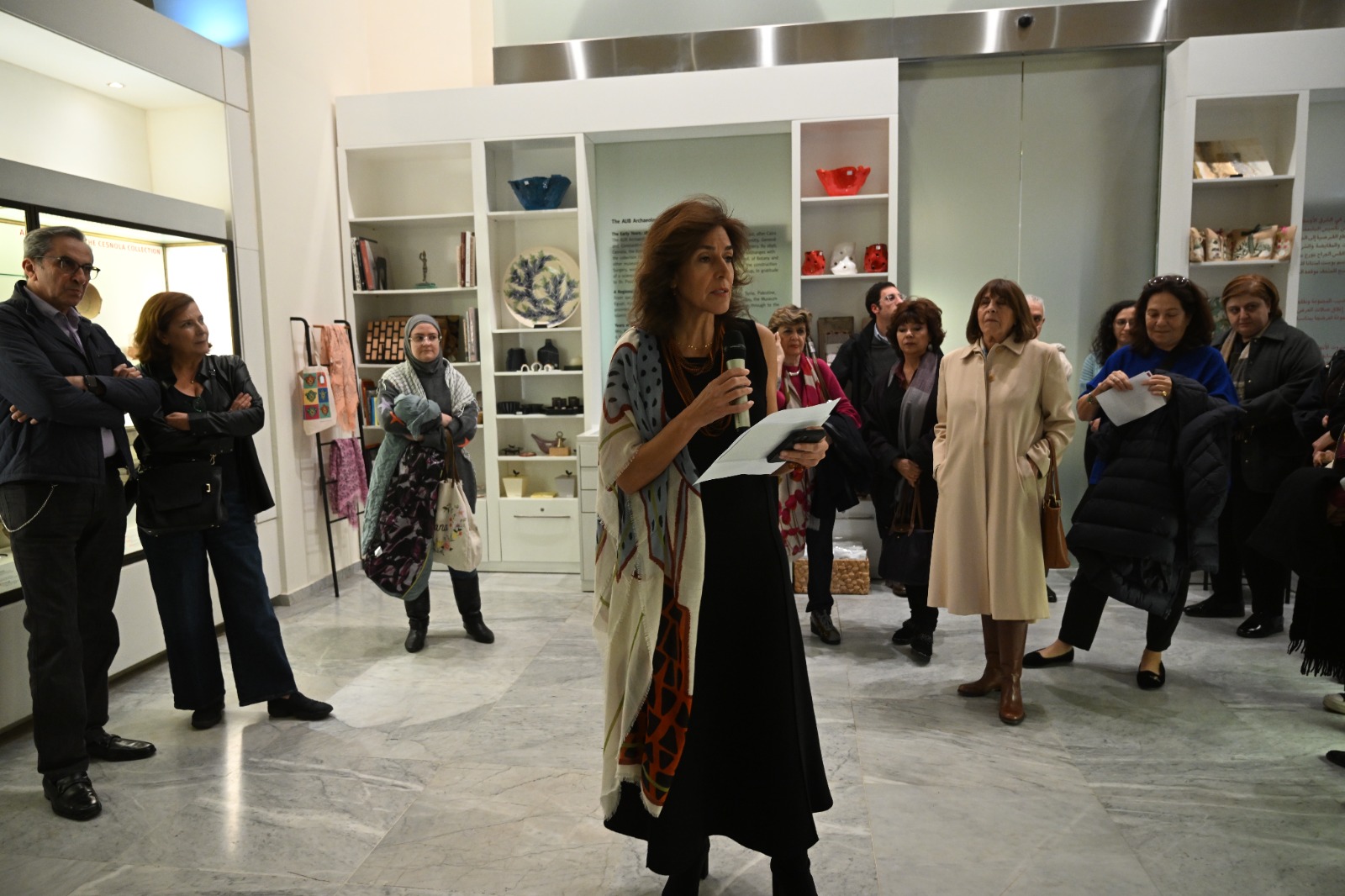
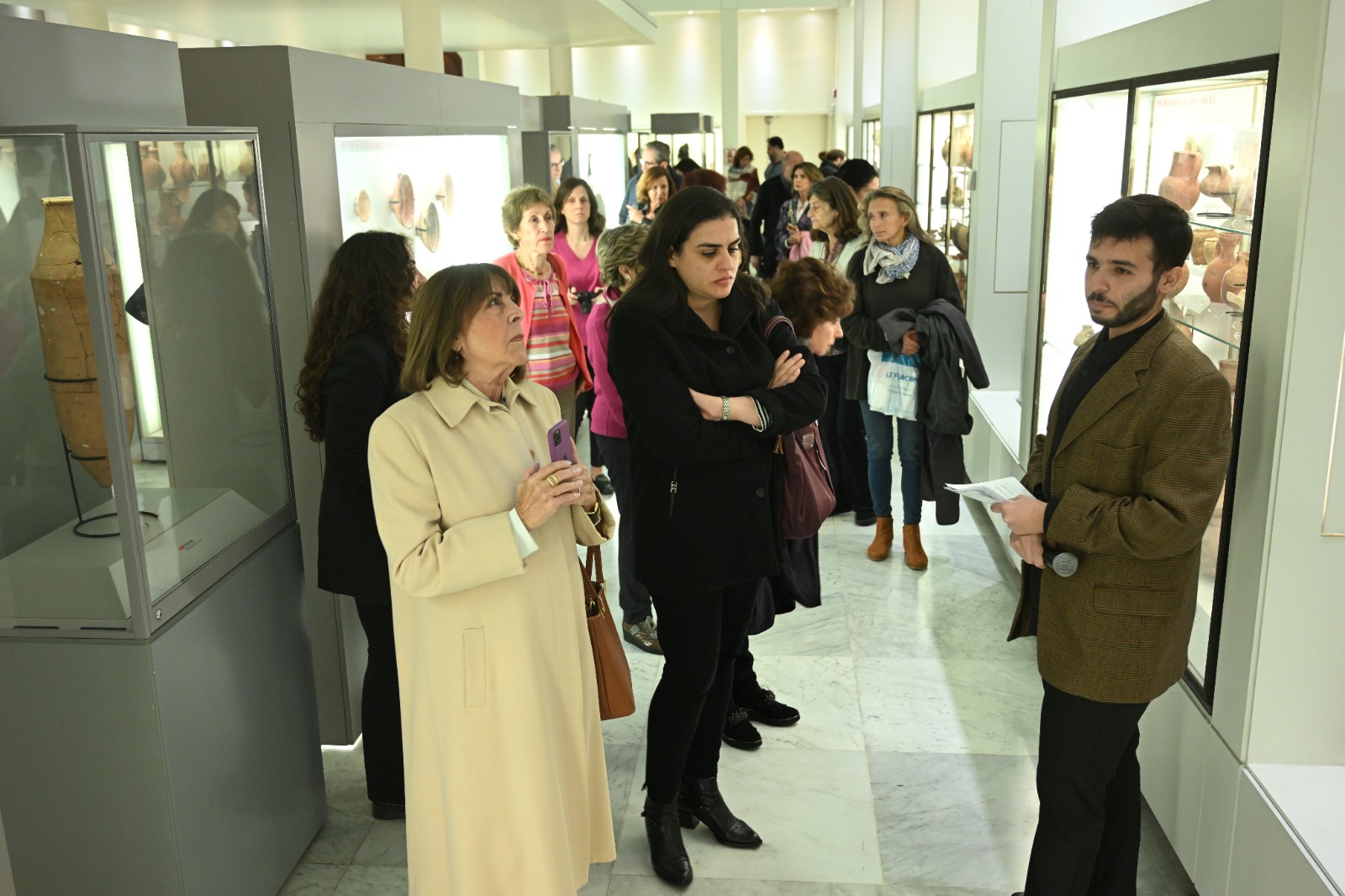
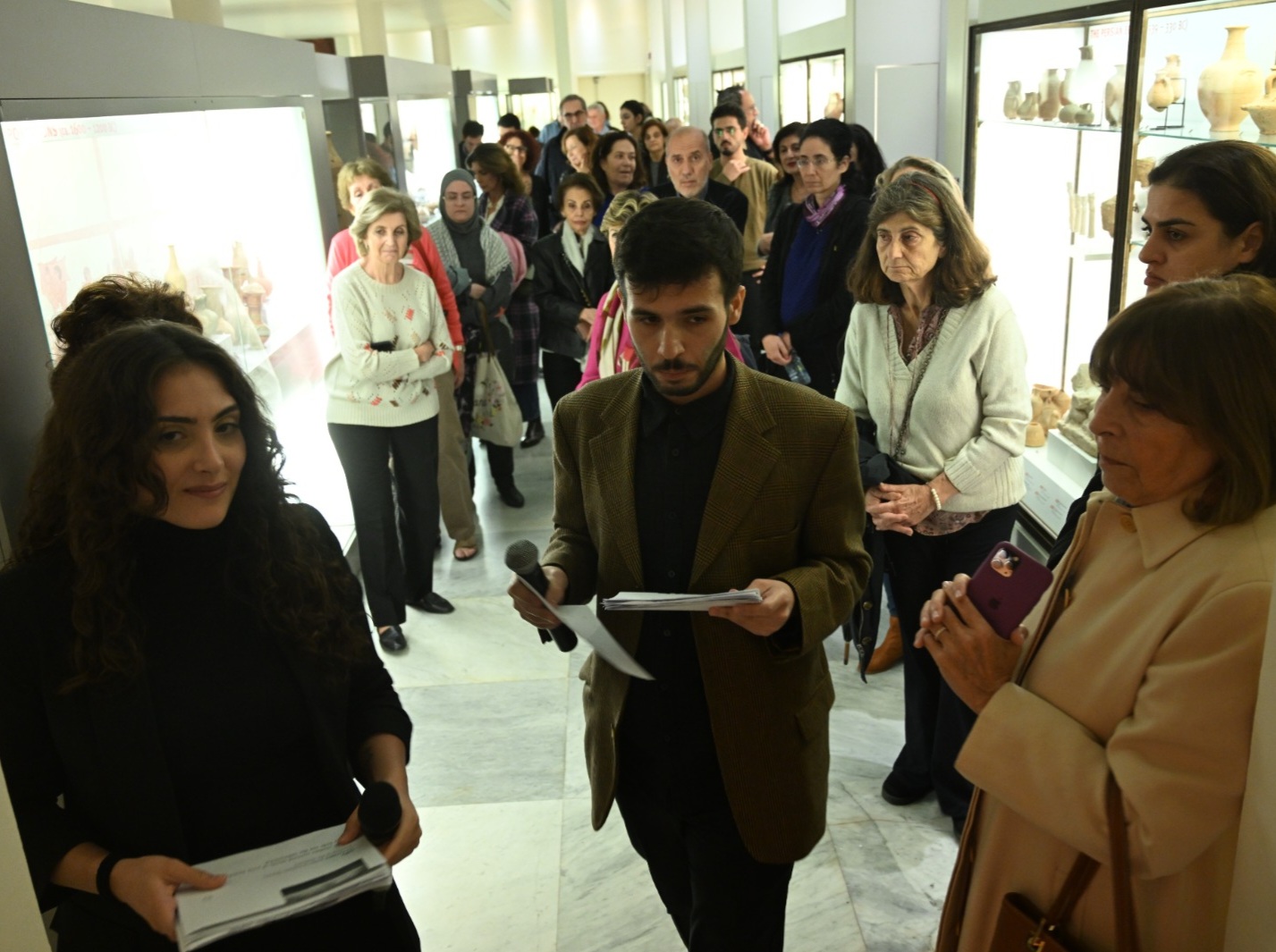
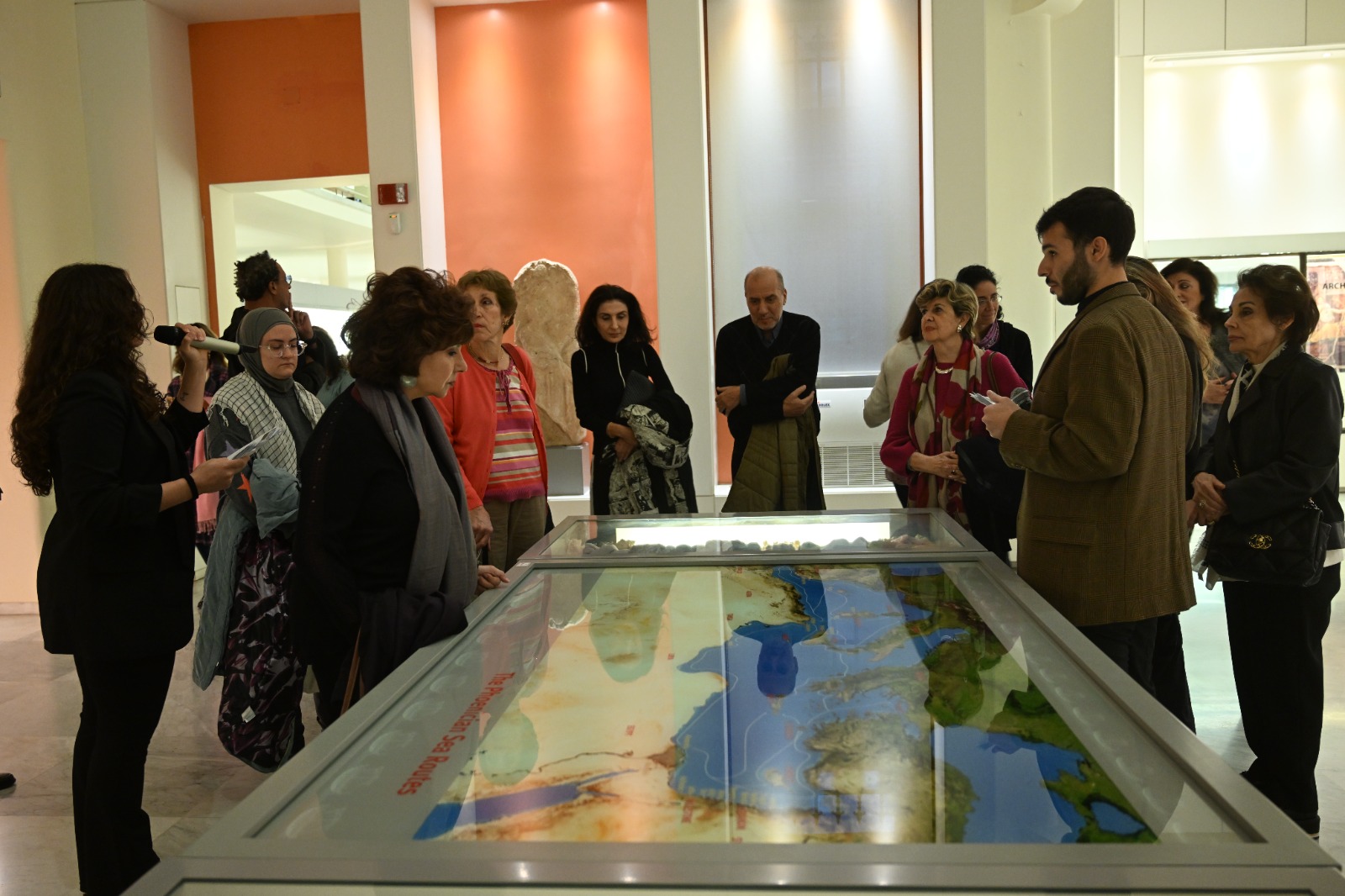
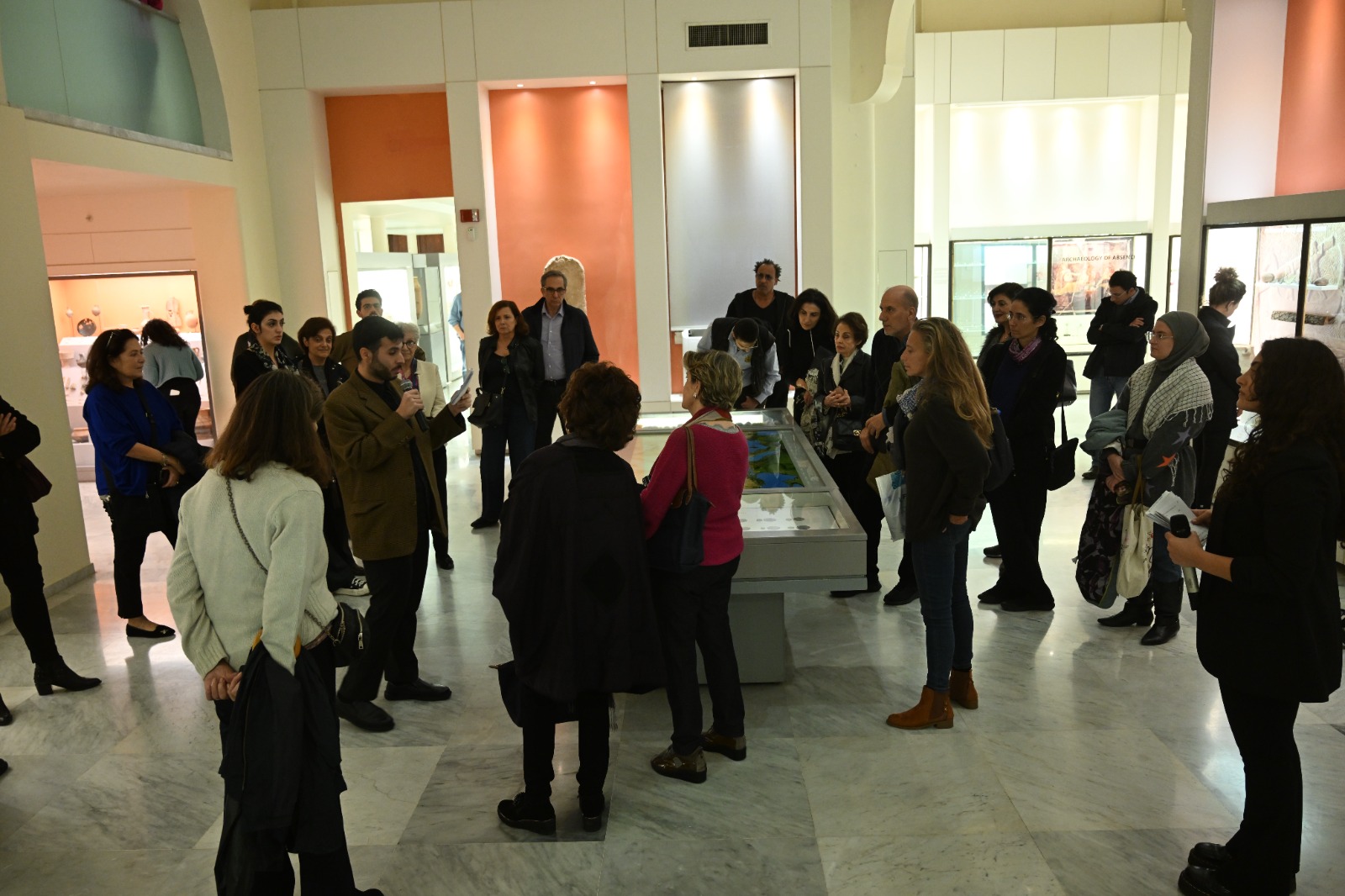
These performances propose to explore The Prophet’s rootedness in the cultures of the Eastern Mediterranean and its kinship with the books of the Antique World, the biblical as well as the Arab-Islamic Sufi traditions. This is another way to probe the universality of Gibran’s book and trace its rich genealogy. By bringing The Prophet into an archaeological museum, stage director Lina Abyad and centennial curator Alfred El Khoury propose to approach the book as a timeless document and to initiate a conversation between its 26 chapters and various sections and collections of the museum.
The performances propose some sort of a reading itinerary, juxtaposing text passages and artefacts, raising thus questions of utility, symbolism, aesthetics and meaning. In this sense, The Prophet would function less as a receptacle of readymade wisdom than as a wholehearted conversation, open to actualization and diverse interpretations—a communal effort to seek the ways of life, self-knowledge, mutual understanding and the harmony between the humans and nature.
تحلُّ هذا العام الذكرى المئويّة الأولى لكتاب النبيّ لجبران خليل جبران. صدر النبيّ في نيويورك عام ١٩٢٣، ومنذ ذلك الحين توالت طبعاتُه من دون انقطاع. وقد بيع منه أكثر من ١١ مليون نسخة في طَبْعته الأميركيّة. لكنّ النبيّ لم يتجاوز عتبة المئة في السنين فقط، بل أيضًا في الجغرافيا أو بالأحرى في اللغات، فقد بات الكتاب مترجمًا إلى أكثر من ١١٥ لغةً حول العالم. وهو بذلك من أكثر الكتب ترجمةً في التاريخ. شملت الترجماتُ الأولى اللغات الألمانيّة (١٩٢٥) والعربيّة (١٩٢٦) والفرنسيّة (١٩٢٦) والهولنديّة (١٩٢٧) واليديشيّة (١٩٢٩). وفي السنوات الأخيرة بات النبيّ متوفّرًا في لغاتٍ أقلّ انتشارًا كاللغة الأمحريّة (٢٠١١) والكجراتيّة (٢٠١١) واللومبارديّة (٢٠١٥) والجليقيّة (٢٠١٨). هذا
الانتشار الواسع يمثّل دليلًا على الطابع العالميّ لهذا الكتاب، سواء على مستوى البناء الأدبيّ الجماليّ أو على مستوى المضمون الفلسفيّ الروحانيّ.
يقترح هذا العرض قراءةَ كتاب النبيّ في علاقته بثقافات شرق المتوسّط وكتب العالم القديم، وهو بذلك يهدف إلى إضفاء بُعدٍ جديد على عالميّة كتاب جبران وجذوره الأدبيّة والحضاريّة. فمن خلال “دعوة” النبيّ إلى متحفٍ متخصّص بعِلْم الآثار، وتحديدًا آثار الشرق الأوسط من مصر حتّى إيران، ومنذ العصر الحجريّ حتّى القرن التاسع عشر، يقدّم هذا العرض الكتابَ كوثيقة عابرة للأزمنة والثقافات.
يقترحُ العَرْضُ قراءةً مُمَسْرحة للنبيّ، فيقيمُ حوارًا بين فصوله الستّة والعشرين ومحفوظات المتحف الآتية من حضارات وأزمنة متنوّعة. من خلال هذا الحوار، يُضيء الكتابُ الأركيولوجيا، وتدلّنا الأركيولوجيا إلى الأبعاد الإنسانيّة والروحيّة في الكتاب. إنّ فكرة هذا الحوار نابعةٌ من كتاب جبران نفسه، وهي تحثّنا على التفكير في مسائل الرمزيّة والجماليّة والمعنى وعلى اختبار علاقة الأدب بغيره من الفنون كالنحت والتصوير والزخرفة والعمارة والخطّ. هكذا يبدو لنا النبيّ أكثر من مجرّد وعاءٍ من الحِكَم الجاهزة والتعاليم المعلّبة، ليغدو حوارًا حقيقيًّا مفتوحًا على التأويل والقضايا الراهنة، في بحث مستمرٍّ عن طُرق الحبّ ومعرفة الذات واحترام الآخَر والتناغم بين الإنسان والطبيعة.
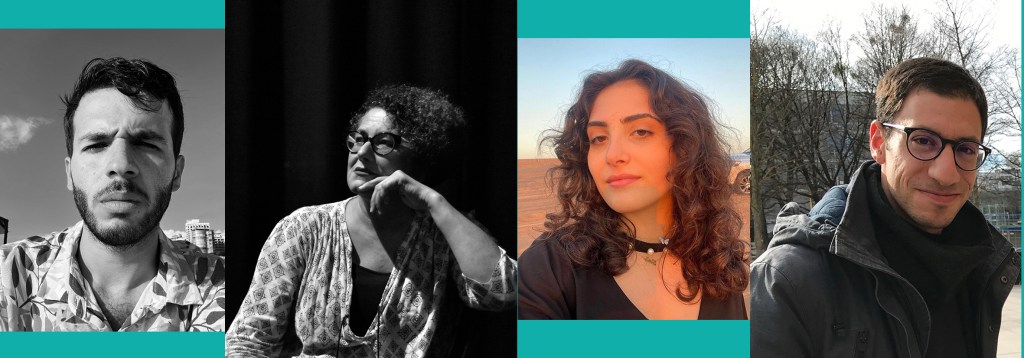
Sally Jaber is a multidisciplinary artist, who is currently working on her final play as a performing arts student at LAU. She participated in many workshops in Lebanon and abroad in aims of exploring the different aspects of acting on stage and on screen. Her recent credits as a performer include Amrika by Lina Abyad, and A Streetcar named Desire by Nare Kourkejian. She is currently working on a dance project that will be performed in November.
سالي جابرفنانة متعددة المجالات، تحضّر حالياً مسرحية التخرج بصفتها طالبة في مجال الفنون التعبيرية في الجامعة اللبنانية الأمريكية. شاركت في العديد من ورش العمل في لبنان والخارج بهدف استكشاف مختلف جوانب التمثيل على خشبة المسرح وأمام الكاميرا. وقد اشتركت مؤخراً في أداء أعمال من بينها أمريكا للينا أبيض،
وA Streetcar named Desire لناري كوركيجيان. وهي تعمل حالياً على مشروع رقص يُعرض في شهر تشرين الثاني.
Alaa Itani is a Lebanese multidisciplinary artist based in Beirut. While his primary focus is on visual arts, he initially began his career in performance, and he continues to explore poetry. His art practice is grounded in research, and he is interested in rediscovering art for art’s sake, using it as apolitical statement. He studied Communication Arts at the American University of Sciences and Technology – Beirut and Fine Arts at the Lebanese University – Beirut.
علاء عيتاني فنان لبناني متعدد المجالات يقيم في بيروت. ينصب تركيزه على الفنون المرئية، إلا أن انطلاقة مسيرته المهنية كانت في أداء العروض الفنية، ولا يزال باحثاً في عالم الشعر. يستند في أدائه الفني على الأبحاث، فهو مهتمٌ بإعادة استكشاف الفن لغرض الفن، واستخدامه أداةً للتعبير السياسي.
درس علاء فنون التواصل في الجامعة الأمريكية للعلوم والتكنولوجيا – بيروت والفنون الجميلة في الجامعة اللبنانية – بيروت.
Lina Abyad holds a Ph.D. from the Sorbonne Nouvelle (Paris) in Theatre Studies. She is currently an Associate Professor in Communication Arts Department (theater) at the Lebanese American University- Beirut. She trained in Paris with Jacques Lecoq, Arianne Mnouchkine and Tadeusz Kantor.
Based in Beirut, she has staged more than 40 plays and directed several workshops in Beirut and the Middle East. She has staged classical texts as well as adaptations ranging from Franz Kafka to Elias Khouri or Sun Mi Hwang. Several themes haunt her stage: the Lebanese Civil War, women, Palestine and Arab dictatorships. She has started recently working on documentary plays based on interviews she conducts. She tackles in these plays the lives of battered women, Lebanese transsexual struggle, queer women bodies, and lately the Palestinian highjack daughter’s memoir. More recently, she devised a piece about the everyday struggle of the Syrian refugees. She has initiated a series of productions in hospitals addressing women and cancer based on a text written by Abir Hamdar.
The theatre she creates is socially and politically engaged with highly controversial and crucial issues for the Middle Eastern region.
Lina Abyad is a founder member of Beirut 8:30 Theatre Company which has produced more than 10 plays. The first production of this company, The Dictator by Issam Mahfouz and directed by Lina Abyad won the prize of His Highness Sheikh Dr. Sultan bin Mohammed Al Qasimi Prize for the best Arab play for 2012.
لينا أبيض تحمل شهادة دكتوراه من جامعة السوربون الجديدة (باريس) في مجال الدراسات المسرحية. تعمل حالياً أستاذة مشاركة في قسم فنون التواصل (المسرح) في الجامعة اللبنانية الأمريكية – بيروت. خضعت لتدريب في باريس إلى جانب جاك لوكوك وأريان أمنوشكين وتاديوش كانتور.
تقيم في بيروت وقد أدّت أكثر من 40 مسرحية وتولت إدارة العديد من ورش العمل في بيروت والشرق الأوسط. كما أدت على خشبة المسرح العديد من النصوص الكلاسيكية إلى جانب أعمال مقتبسة عن نصوص كُتَاب مثل فرانز كافكا وإلياس خوري وصن مي هوانغ. تتعدّد المواضيع التي تغلب على أعمالها من بينها الحرب الأهلية اللبنانية والمرأة وفلسطين والديكتاتوريات العربية. ومؤخراً بدأت العمل على مسرحيات وثائقية تعتمد فيها على مقابلاتٍ أجرتها هي. تتطرق في هذه المسرحيات على حياة النساء ضحايا الاعتداء وصراع التحوّل الجنسي في لبنان وأجساد نساء كُوير ومؤخراً مذكرات ابنة عملية الخطف الفلسطينية. في الآونة الأخيرة أنجزت عملاً يتناول المعاناة اليومية للنازحين السوريين. كما بدأت سلسلة إنتاجات في المستشفيات تُعنى بالنساء ومرض السرطان، استناداً إلى نصٍ كتبته عبير همدر.
تُعنى الأعمال المسرحية التي تُنجرها بالشأنين الاجتماعي والسياسي، مع تطرقها إلى مواضيع تثير الجدل والحساسية في منطقة الشرق الأوسط.
لينا أبيض هي عضو مؤسس في شركة مسرح بيروت 8:30 التي أنتجت أكثر من 10 مسرحيات. أولى إنتاجات هذه الشركة هي الديكتاتور لعصام محفوظ وإخراج لينا أبيض التي فازت بجائزة صاحب السمو الشيخ الدكتور سلطان بن محمد القاسمي عن أفضل مسرحية عربية لعام 2012.
Alfred El Khoury is a scholar of Arabic Literature. He studied Arabic at the Lebanese University, the American University of Beirut and the University of Bamberg, Germany. His research interests encompass Classical Arabic poetry, balagha, literary theory and criticism, with a particular focus on practices of poetry commentary in Arabic since the eighth century. For The Prophet’s 100th Anniversary Alfred is particularly interested in the work’s wide dissemination and significance across epochs and languages.
ألفرد الخوري باحثٌ في الأدب العربي. درس في الجامعة اللبنانيّة والجامعة الأميركيّة في بيروت وجامعة بامبرغ بألمانيا. تشمل اهتماماتُه البحثيّة الشعرَ العربيّ القديم والبلاغة العربيّة والنظريّة الأدبيّة والنقد، وتركّز بشكلٍ خاصّ على شروحات الشعر بدءاً من القرن الثامن الميلاديّ. بمناسبة مئويّة كتاب النبيّ، ألفرد مهتمٌّ بالانتشار الواسع الذي حقّقه هذا العمل وبالمعاني المختلفة التي اكتسبها عبر الأزمنة واللغات.
PRESS

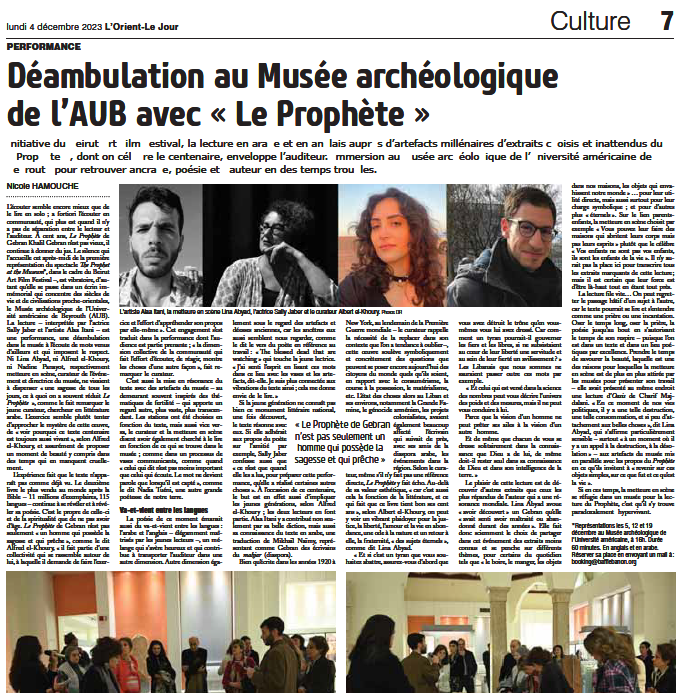
GALLERY




In collaboration with 👇

with the support of 👇
 Beirut Art Film Festival