
Switzerland, 2025, 83’, English / French sub.
Valerio Jalongo.
Wednesday, November 12 at 6:00 PM
Théâtre Béryte
USJ Human Sciences Campus, Beirut (map)
Tickets sold at Antoine Ticketing and Théâtre Béryte doors
Print Program (PDF)
Official Trailer
Followed by
3 questions to Valerio Jalongo (Zoom)
& Réflexions sur l’intelligence humaine et l’intelligence artificielle inspirées par le film, discussion in French with Prof. Nada Moghaizel-Nasr.
Film
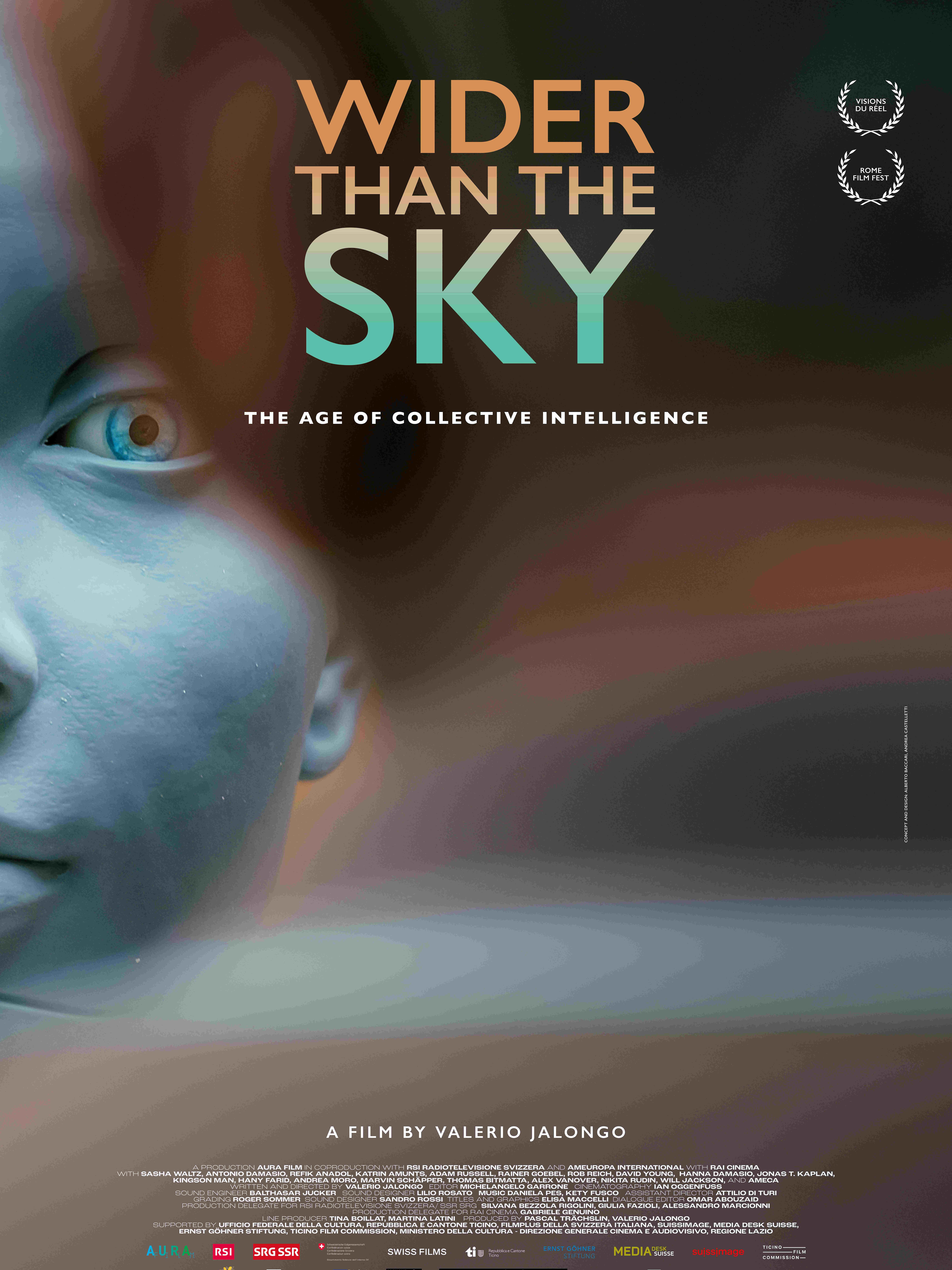
ENG. What does Sasha Waltz’s Contemporary Dance Company have in common with robots controlled by A.I. at Swiss Federal Institute of Technology – ETH in Zürich? Apparently, nothing. But looking more closely, we discover how scientists “train” their algorithms with thousands of virtual robots who learn and improve by trial and error, like the dancers. Or just like scientists at the Lausanne Human Brain Project – HBP, trying to create the first complete map of the human brain with the help of a powerful A.I. which is inspired… by the human brain itself. Wider than the Sky is a poetic investigation on A.I.
ما هو القاسم المشترك بين فرقة الرقص المعاصر ’ساشا والتز‘ والروبوتات التي يتحكم بها الذكاء الاصطناعي في مدرسة البوليتكنيك الفيدرالية السويسرية في زيورخ؟ في الظاهر، لا شيء. لكن عند إمعان النظر، نكتشف أن العلماء “يدرّبون” خوارزمياتهم باستخدام آلاف الروبوتات الافتراضية التي تتعلم وتتطوّر من خلال التجربة والخطأ— تمامًا كما الراقصين، أو كما الباحثين في مشروع الدماغ البشري في لوزان، الساعين إلى رسم أوّل خريطةٍ كاملةٍ للدماغ البشري، بمساعدة الذكاء الاصطناعي… الذي يستوحي عمله من الدماغ البشري نفسه. إن الفيلم عبارة عن بحثٍ شاعريٍ عبر الذكاء الاصطناعي.
FR. Quel est le point commun entre la compagnie de danse contemporaine Sasha Waltz et des robots contrôlés par une intelligence artificielle à l’École Polytechnique Fédérale de Zurich (ETH Zurich) ? Apparemment, aucun.
Mais en y regardant de plus près, on découvre que les scientifiques « entraînent » leurs algorithmes à l’aide de milliers de robots virtuels qui apprennent et s’améliorent par essais et erreurs — tout comme les danseurs.
Ou encore comme les chercheurs du Human Brain Project de Lausanne (HBP), qui tentent de créer la première carte complète du cerveau humain, avec l’aide d’une intelligence artificielle… inspirée du cerveau humain lui-même. Le film est une enquête poétique sur l’I.A.
Film Director

ENG. Valerio Jalongo is a Swiss filmmaker and philosophy graduate who studied cinema in France and the U.S. His award-winning films—fiction and documentary—have screened at major festivals including Venice, TIFF, and Visions du Réel. From prison workshops to CERN to long-term social projects, his work blends art, science, and human stories. His multi awarded film The Sense of Beauty, a documentary about Art and Science made at CERN in Geneva, was screening during BAFF 2020.
فاليريو يالوتغو، مخرج سنيمائي سويسري، درس الفلسفة وتخصّص في السينما في فرنسا والولايات المتحدة. تتراوح أفلامه، التي حازت على عدّة جوائز، بين الخيال والوثائقيات وقد عُرضت في العديد من المهرجانات الكبيرة مثل البندقية ومهرجان تورونتو للأفلام السينمائية ومهرجان رؤى الواقع. نظّم ورش عمل في السجون وفي مركز ’سيرن‘ بالإضافة إلى مشاريع اجتماعية طويلة الأمد، ويمزج في أعماله بين الفن والعلم والقصص الإنسانية. وفي العام 2020 عُرض فيلمه الوثائقي The Sense of Beauty “حسّ الجمال” الذي يدور حول الفن والعلوم والحائز على العديد من الجوائز، ضمن فعاليات مهرجان بيروت للأفلام الفنية، وقد أنتجه في مركز ’سيرن‘ في جنيف.
FR. Valerio Jalongo est un cinéaste suisse, diplômé en philosophie, et formé au cinéma en France et aux États-Unis. Ses films primés, entre fiction et documentaire, ont été présentés dans de grands festivals comme Venise, TIFF et Visions du Réel. Des ateliers en prison au CERN, en passant par des projets sociaux de long terme, son œuvre mêle art, science et récits humains. Son film multi-récompensé The Sense of Beauty, documentaire sur l’art et la science réalisé au CERN à Genève, a été projeté lors du BAFF 2020.
After the Q&A, lecture and discussion with Dr. Nada Moghaizel-Nasr:
Réflexions sur l’intelligence humaine et l’intelligence artificielle inspirées par le film.
Conférence du Professeur Nada Moghaizel-Nasr intitulée Réflexions sur l’intelligence humaine et l’intelligence artificielle inspirées par le film.
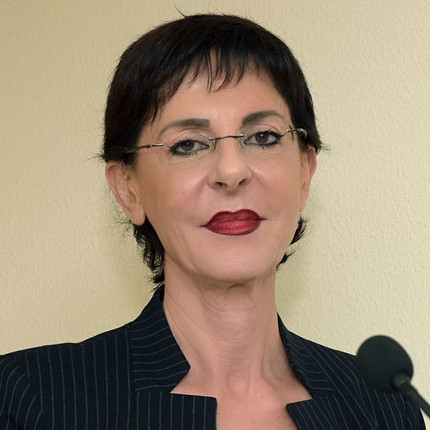
ENG. Professor Nada Moghaizel-Nasr is the Chair of the Lebanese National Commission for UNESCO and a professor at Saint Joseph University of Beirut, where she is Honorary Dean of the Faculty of Educational Sciences and Rector’s Delegate for University Pedagogy, actively engaged in teacher training, particularly in the pedagogical applications of artificial intelligence. An expert for European quality assurance agencies, she serves on several ministerial educational commissions and within the Agence Universitaire de la Francophonie. She is also the author of numerous books and scientific articles.
الأستاذة ندى مغيزل نصر، رئيسة اللجنة الوطنية اللبنانية لليونسكو وأستاذة في جامعة القديس يوسف في بيروت، حيث تشغل منصب العميدة الفخرية لكلية علوم التربية ومندوبة رئيس الجامعة لشؤون التربية الجامعية، فتُعنى على وجه الخصوص بتدريب الأساتذة على استخدام الذكاء الاصطناعي لأهدافٍ تعليميةٍ. كما أنها خبيرةٌ مُعتمدةٌ في عددٍ من هيئات ضمان الجودة في أوروبا، وعضوٌ في العديد من اللجان الوزارية التربوية وضمن الوكالة الجامعية الفرنكوفونية، فضلاً عن كونها مؤلفةً لعدة مؤلفات ومقالات علمية.
FR. Professeure Nada Moghaizel-Nasr est Présidente de la Commission nationale libanaise de l’UNESCO et professeure à l’Université Saint-Joseph de Beyrouth, où elle est Doyenne honoraire de la Faculté des sciences de l’éducation et Déléguée du Recteur à la Pédagogie universitaire, investie notamment dans la formation des enseignants à l’usage pédagogique de l’intelligence artificielle. Experte auprès d’agences européennes d’assurance qualité, elle siège dans plusieurs commissions ministérielles éducatives et au sein de l’Agence universitaire de la francophonie. Elle est également auteure de nombreux ouvrages et articles scientifiques.
in partnership with 👇
 Beirut Art Film Festival