
Spain, Norwey, 2024, 65’, English.
Morrosko Vila-San-Juan.
Tuesday, November 11 at 6:00 PM
Théâtre Béryte
USJ Human Sciences Campus, Beirut (map)
Tickets sold at Antoine Ticketing and Théâtre Béryte doors
Print Program (PDF)
Official Trailer
The film is followed by
Museums as Architectural Ontologies of Memory and Futurity!
A lecture delivered in English by Prof. Nader El-Bizri, Senior Research Fellow at the Warburg Institute, School of Advanced Study, University of London.
Film
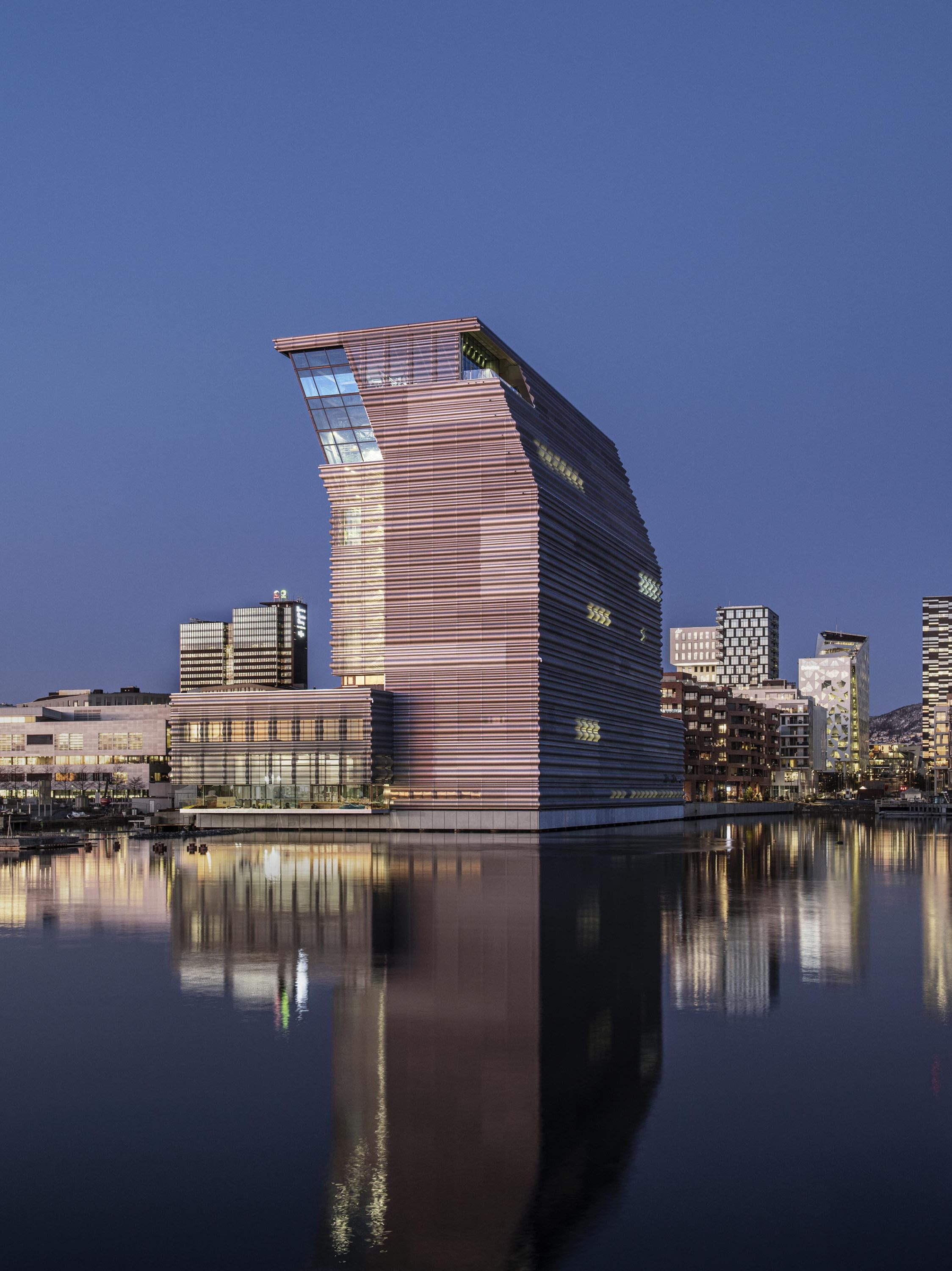
ENG. Through the story of the construction of the new Munch Museum in Oslo, carried out for over twelve years by a small Spanish architecture studio, Estudio Herreros, the film takes into the astonishing transformation of the Norwegian capital. What should museums of the future be like? And cities? How do we want to live in them ?
يروي الفيلم قصة بناء متحف ’مونش‘ الجديد في أوسلو، الذي نفّذه مكتب ’هيريروس‘ المعماري الإسباني المتواضع، مستغرقًا أكثر من اثني عشر عامًا لإنجازه، فيكشف لنا عن التحول الكبير الذي شهدته العاصمة النرويجية. كيف يجب أن تبدو متاحف المستقبل؟ وكذلك المدن؟ وكيف نريد أن نعيش فيها؟
FR. À travers l’histoire de la construction du nouveau musée Munch à Oslo, menée pendant plus de douze ans par un petit cabinet d’architectes espagnol, Estudio Herreros, le film découvre la transformation saisissante de la capitale norvégienne. À quoi devraient ressembler les musées du futur ? Et les villes ? Comment voulons-nous y vivre?

Film Director

ENG. Morrosko Vila-San-Juan is a Spanish journalist and filmmaker. With a background in Philosophy and Arts, he creates documentaries and audiovisual works on cultural, social, and architectural themes. He has worked for TVE, Barcelona Television, and co-founded Alguienvoló. His collaborations span cinema, art, and architecture, with works exhibited internationally and featured in prominent contemporary art collections.
موروسكو فيلا سان خوان، صحفي ومخرج إسباني. تلقى علومه في الفلسفة والفنون، وأخرج أفلامًا وثائقيةً وأعمالاً سمعيةً بصريةً تتمحور حول مواضيع ثقافية واجتماعية ومعمارية. عمل لصالح ’تي في إي‘ وتلفزيون برشلونة وشارك في تأسيس ’ألغوينفولو‘. تتناول الأعمال التي يشارك فيها مجالات السينما والفن والعمارة، وقد عُرض عدد من هذه الأعمال على الشاشات العالمية وتُصنّف ضمن أهم المجموعات الفنية المعاصرة.
FR. Morrosko Vila-San-Juan est un journaliste et réalisateur espagnol. Issu d’une formation en philosophie et en arts, il crée des documentaires et des œuvres audiovisuelles autour de thématiques culturelles, sociales et architecturales. Il a travaillé pour TVE, Barcelona Télévision, et cofondé Alguienvoló. Ses collaborations touchent au cinéma, à l’art et à l’architecture, avec des œuvres exposées internationalement et intégrées à d’importantes collections d’art contemporain.
Museums as Architectural Ontologies of Memory and Futurity!
A lecture delivered in English by Dr. Nader El-Bizri.
Conférence du professeur Nader El-Bizri intitulée Les Musées comme ontologies architecturales de la mémoire et de la futurité.
ENG. Museums as Architectural Ontologies of Memory and Futurity:
This lecture aims at exploring the museum from selected philosophical and architectural perspectives as an ontological intersubjective place of being, where memory, lived embodied experience, space, and time converge. This reveals as well the finitude of the human condition and the situational horizons of the future contingency of posterity. Moving beyond its role as an iconic cultural receptacle of archives and vestiges, or as a monumental vessel of auratic artifacts, the museum is interpreted as an existential kinesthetic locus of being in which past, present, and future are intertwined through the intricate enclosures of architecture and urbanity. Drawing on the phenomenology of architecture, the museum is mediated in presencing between remembrance and anticipation, by translating historical sedimentations into lived multisensorial recollective experiences and ethical imaginary projections. Its spatial forms embody both the preservation and transformation of the lived meanings in the temporal lifeworld of mortals. The museum thus discloses the human drive to build for dwelling, not merely to conserve but to also orient itself toward futurity beyond its finitude. Architecture itself becomes herein a modality of the spatial-temporal manifestation of the workings of being, which furthermore gain novel existential signifiers in our uncanny contemporary epoch of the advent of hyper-technoscience.
المتاحف كأنساق وجودية معمارية للذاكرة والاستشراف المستقبلي : تهدف هذه المحاضرة إلى استكشاف المتحف من منطلقات فلسفية ومعمارية مختارة، بوصفه مكانًا وجوديًا وتفاعليًا بين ذوات متعددة، حيث تتلاقى الذاكرة والتجربة المعيشة والمتجسدة مع الزمان والمكان. ويكشف ذلك أيضًا عن الفناء الكينوني للحالة الإنسانية وآفاقها الوضعية ضمن استشراف احتمالات المستقبل وما تؤول إليه الأجيال اللاحقة. فبعيدًا عن اعتباره مجرد وعاء ثقافي أيقوني لحفظ الأرشيفات والبقايا، أو حاوية تذكارية تحمل الآثار المشحونة بهالتها المشرقة، يُنظر إلى المتحف هنا على أنه موضع حركي وجودي للكينونة الإنسانية، يتشابك فيه الماضي والحاضر والمستقبل ضمن إحاطات معمارية ومدينية معقدة.
ومن خلال الاعتماد على فينومينولوجيا العمارة، يُنظر كذلك إلى المتحف كوسيط في فعل الحضور بين التذكّر والاستشراف، إذ يترجم الترسبات التاريخية إلى تجارب معيشة حسّية متعددة وإلى إسقاطات تخييلية ذات بعد أخلاقي مناقبي. وتجسد أشكاله الفضائية-المكانية في آنٍ واحد حفظ المعاني المعيشة وكيفية تحولها في العالم الزمني السيال للكائنات الإنسانية المائتة.
وعليه، يكشف المتحف عن النزوع الإنساني إلى البناء، لا بغرض السكن والحفظ فحسب، بل أيضًا من أجل التوجّه نحو المستقبل وتجاوز محدودية الفناء. فتصبح العمارة في هذا الأفق نمطًا من أنماط تجلي الكينونة في الزمان والمكان، وتكتسب معاني وجودية جديدة في عصرنا القائم بغرائبه في زمن بزوغ التقنية العلمية الفائقة.
FR. Les musées comme ontologies architecturales de la mémoire et de la futurité:
Cette conférence vise à explorer le musée à partir de certaines perspectives philosophiques et architecturales, en tant que lieu ontologique et intersubjectif de l’être, où la mémoire, l’expérience vécue et incarnée, l’espace et le temps convergent. Cela révèle également la finitude de la condition humaine et les horizons situationnels de la contingence future de la postérité. Au-delà de son rôle d’icône culturelle, de réceptacle d’archives et de vestiges, ou de vaisseau monumental d’artefacts auratiques, le musée est ici interprété comme un lieu existentiel et kinesthésique de l’être, dans lequel le passé, le présent et l’avenir s’entrelacent à travers les enclos complexes de l’architecture et de l’urbanité.
En s’appuyant sur la phénoménologie de l’architecture, le musée se donne comme une médiation entre la réminiscence et l’anticipation, traduisant les sédimentations historiques en expériences vécues, multisensorielles et mémorielles, ainsi qu’en projections imaginaires éthiques. Ses formes spatiales incarnent à la fois la préservation et la transformation des significations vécues dans le monde temporel des mortels.
Le musée dévoile ainsi l’élan humain à bâtir et habiter non pas seulement pour conserver, mais aussi pour s’orienter vers la futurité au-delà de sa propre finitude. L’architecture devient dès lors une modalité de la manifestation spatio-temporelle du déploiement de l’être, laquelle acquiert de nouveaux signifiants existentiels dans notre époque étrange et contemporaine, marquée par l’avènement de l’hyper-technoscience.
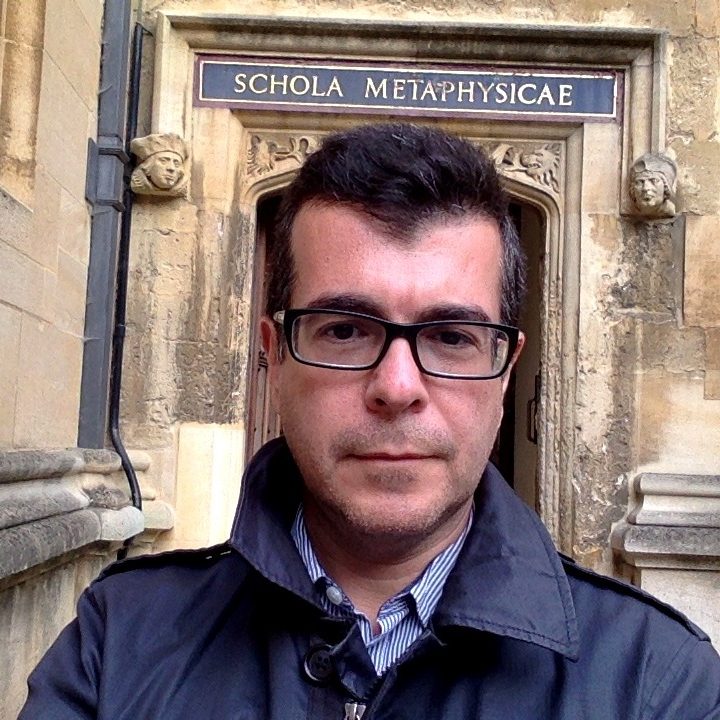
Professor Nader El-Bizri is a Senior Research Fellow at the Warburg Institute at the School of Advanced Study at the University of London. He acted before that as the Dean of the College of Arts, Humanities, and Social Sciences at the University of Sharjah. He is also a longstanding Affiliated Scholar with the Department of History and Philosophy of Science at the University of Cambridge and an Associate of King’s College Cambridge. He has been a Leverhulme Visiting Professor in History of Science and Philosophy at Durham University and was a tenured full Professor of Civilization Studies and Philosophy at the American University of Beirut, where he directed the university-wide program in the liberal arts; having previously held other senior roles. Prior to 2012, he taught and conducted research at the universities of Nottingham, Lincoln, Cambridge, Harvard, the London Consortium, the Institute of Ismaili Studies in London, and the Centre National de la Recherche Scientifique in Paris. His PhD in Philosophy (1999) is from the New School for Social Research in New York, and he holds a Master of Architecture degree from Harvard (1994). His expertise is in Arabic Sciences and Philosophy, Architectural Theory, and Phenomenology. He serves on various boards of academic publishers and institutions internationally and is General Editor of the Epistles of the Brethren of Purity series (Oxford University Press). He is also a referee for several international research bodies, learned societies, and universities, including the Leverhulme Trust, the British Academy, and the Arts and Humanities Research Council (AHRC) in the UK, the EU Paris-Region Postdoctoral Fellowship Programs, and the Australian Academy of the Humanities (AAH). His also advises and consults for the Science Museum (London), the Aga Khan Trust for Culture (Geneva), the Solomon Guggenheim Museum (Berlin), UNESCO (Paris). He practiced as an architect in London, Cambridge, New York, and Beirut, and appeared for the BBC and France Culture in radio and television programs. He has received various awards and honours, including the Kuwait Foundation for the Advancement of Sciences Prize, and has been elected as a Mellon Global Liberal Arts Fellow at Claremont McKenna College in the USA.
البروفيسور نادر البزري هو أستاذ باحث أوّل في معهد واربورغ للدراسات العليا في جامعة لندن. وقد كان قبل ذلك عميد لكليّة الآداب والعلوم الإنسانية والاجتماعية في جامعة الشارقة. وهو أيضًا باحث منتسب منذ عدة سنوات في قسم التاريخ وفلسفة العلوم في جامعة كامبريدج وفي كلية الملك في كامبريدج. وكان أستاذًا زائِراً في تاريخ العلوم والفلسفة عبر أكاديمية ليفرهولم في جامعة دورهام في بريطانيا. وكان أستاذًا متفرّغًا في دراسات الحضارة والفلسفة في الجامعة الأمريكية في بيروت، ومسؤولًا كذلك هناك عن إدارة برنامج الفنون الليبرالية الجامعيّ، بعد أن شغل مناصب إداريّة مفصلية أخرى. قبل عام ٢٠١٢، قام بالتدريس وأجرى أبحاثًا في كلّ من جامعات نوتنغهام ولينكولن وكامبريدج وهارفارد وفي الاتحاد اللندنيّ، وفي معهد الدراسات الإسماعيلية في لندن وفي المركز الوطنيّ للبحث العلميّ في باريس. هو حائز على دكتوراه في الفلسفة (عام ١٩٩٩) من المدرسة الجديدة للبحوث الاجتماعية في نيويورك، وعلى ماجستير في الهندسة المعمارية من جامعة هارفارد (عام ١٩٩٤). تشمل خبرته العلوم العربية والفلسفة العربية والنظرية المعمارية والفينومينولوجيا الحديثة. وهو عضو في مجالس التحكيم والتحرير الأكاديمي للعديد من دور النشر الجامعية العالمية العريقة والمؤسسات الدولية المرموقة، وهو رئيس تحرير سلسلة فلسفية حول “رسائل إخوان الصفاء” (والتي تصدر باللغتين الإنكليزية والعربية عبر دار نشر جامعة أكسفورد في بريطانيا).
وقد حَكًّم أيضًا للعديد من مراكز الأبحاث الدولية والجمعيات الأكاديمية والجامعية، بما في ذلك مؤسسة ليفرهولم والأكاديمية البريطانية ومجلس أبحاث الفنون والعلوم الإنسانية في المملكة المتحدة، وبرامج مِنَح ما بعد الدكتوراه التابعة للاتحاد الأوروبيّ في باريس، والأكاديمية الأسترالية للعلوم الإنسانية. وهو مستشار لمتحف العلوم (لندن)، ومؤسسة الآغا خان للثقافة (جنيف)، ومتحف سولومون غوغنهايم (برلين)، ومنظمة الأمم المتحدة للتربية والعلم والثقافة-اليونسكو (باريس). وعمل كمهندس معماريّ في لندن وكامبريدج ونيويورك وبيروت، وشارك في برامج إذاعية وتلفزيونية لهيئة الإذاعة البريطانية وإذاعة فرنسا الثقافية. حاز على العديد من الجوائز والأوسمة، بما في ذلك الجائزة التي نالها من مؤسسة الكويت للتقدم العلميّ، وتمّ انتخابه في كليّة ماكينا في كاليفورنيا في الولايات المتحدة الأمريكية كباحث دولي في الفنون الليبرالية الأكاديمية عبر مؤسسة ميلون الدولية.
Le professeur Nader El-Bizri est un directeur de recherche principal au Warburg Institute de l’École des hautes études de l’Université de Londres. Il a été avant doyen de la Faculté des lettres et des sciences humaines et sociales de l’Université de Sharjah. Il est également chercheur affilié depuis de nombreuses années au département d’histoire et de philosophie des sciences de l’Université de Cambridge et au King’s College de Cambridge. Il a été professeur en résidence de Leverhulme en histoire des sciences et en philosophie à l’Université de Durham et professeur titulaire d’études de civilisation et de philosophie à l’Université Américaine de Beyrouth, où il a dirigé le programme universitaire des arts libéraux, après avoir occupé d’autres postes importants. Avant 2012, il a enseigné et mené des recherches aux universités de Nottingham, Lincoln, Cambridge, Harvard, au London Consortium, à l’Institute of Ismaili Studies de Londres et au Centre national de la recherche scientifique de Paris. Il est titulaire d’un doctorat en philosophie (1999) de la New School for Social Research de New York et d’un master en architecture de Harvard (1994). Son expertise couvre les sciences et la philosophie arabes, la théorie de l’architecture et la phénoménologie. Il est membre de plusieurs conseils d’administration d’éditeurs universitaires et d’institutions internationales, et il est le rédacteur en chef de la collection Epistles of the Brethren of Purity (Oxford University Press). Il est également arbitre pour plusieurs organismes de recherche internationaux, sociétés académiques et universités, dont le Leverhulme Trust, la British Academy et le Arts and Humanities Research Council (AHRC) au Royaume-Uni, les programmes de bourses postdoctorales de l’Union européenne Paris-Région et l’Australian Academy of the Humanities (AAH). Il est également conseiller et consultant pour le Science Museum (Londres), l’Aga Khan Trust for Culture (Genève), le Solomon Guggenheim Museum (Berlin) et l’UNESCO (Paris). Il a exercé le métier d’architecte à Londres, Cambridge, New York et Beyrouth, et a participé à des émissions de radio et de télévision pour la BBC et France Culture. Il a reçu plusieurs prix et distinctions, dont celui de la Fondation du Koweït pour l’avancement des sciences, et a été élu Mellon Global Liberal Arts Fellow au Claremont McKenna College, aux États-Unis.
with the support of 👇
 Beirut Art Film Festival