
Solidarity day with Gaza and its people.
Saturday, November 8, 5:00 PM – 10:00 PM
Théâtre Béryte
USJ Human Sciences Campus, Beirut (map)
Tickets sold at Antoine Ticketing and Théâtre Béryte doors
Print Program (PDF)
Official Trailer
Gaza: Histoire, patrimoine et transmission
A roundtable in French with
Dr. Anne-Marie Eddé, Historian
Dr. René Elter, Archaeologist
Dr. Eugénie Rébillard, Historian
5:00 PM.
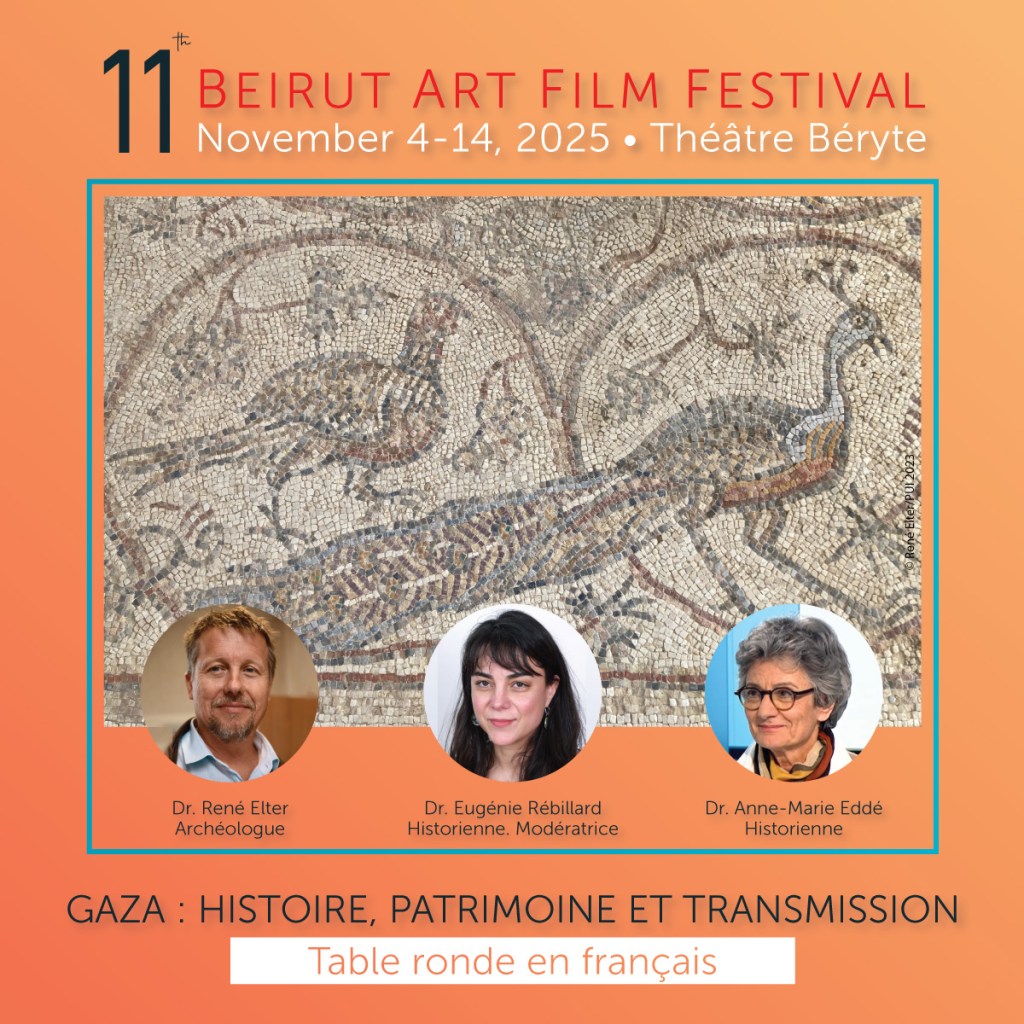
ENG. How can we address the challenges of preserving collective memory through the destruction of its heritage sites? This question is especially urgent in Gaza, which has experienced an exceptional level of destruction for more than two years. It may seem trivial to talk about heritage in the face of the tragedy endured by the people of Gaza, yet erasing the traces of their history, culture, and memory—isn’t that to prevent them from existing and building a future?
The aim of this roundtable is to recall the millennia-old history of this territory, a true crossroads of civilizations. Using a few examples, we will attempt to explain why Gaza and its surroundings, despite wars and invasions, enjoyed long periods of economic and cultural prosperity, as evidenced by numerous written sources and architectural remains.
كيف لنا أن نعالج قضايا الذاكرة في منطقةٍ ما استنادًا إلى الدمار في مواقعها التراثية ؟ إنه السؤال الذي يفرض نفسه في غزة، التي تشهد منذ أكثر من عامين دمارًا غير مسبوقٍ. قد يبدو من غير المجدي الحديث عن التراث الثقافي في ظل المأساة التي يعيشها الغزّيون، لكن أليس محو كل أثرٍ لتاريخهم وثقافتهم وذاكرتهم هو عقبةٌ تعيق حقّهم في الوجود وبناء المستقبل؟
إن الغاية من وراء هذه الطاولة المستديرة هو استرجاع عراقة تاريخ هذه الأرض التي كانت مفترقًا تلتقي عنده كافة الحضارات، فنستعين ببعض الأمثلة في محاولةٍ لشرح العوامل التي جعلت غزّة ومحيطها تنعم بحقبٍ طويلةٍ من الرخاء الاقتصادي والثقافي، وهو ما تؤكّد عليها العديد من المراجع المكتوبة والآثار المعمارية، على الرغم مما عَرِفَته من حروبٍ وغزواتٍ.
FR. Comment aborder les enjeux mémoriaux d’un territoire à travers la destruction de ses sites patrimoniaux ? Cette question se pose avec acuité à Gaza qui connaît depuis plus de deux ans un niveau de destruction exceptionnel. Il peut paraître futile de parler de patrimoine face à la tragédie que vivent les Gazaouis, et pourtant faire disparaître les traces de leur histoire, de leur culture et de leur mémoire n’est-ce pas les empêcher d’exister et de se construire un avenir?
L’objectif de cette table ronde est de rappeler l’histoire plurimillénaire de ce territoire, véritable carrefour des civilisations. A l’aide de quelques exemples nous tenterons d’expliquer les raisons pour lesquelles Gaza et son environnement, malgré les guerres et les invasions, connurent de longues périodes de prospérité économique et culturelle dont témoignent les nombreuses sources écrites et vestiges architecturaux.
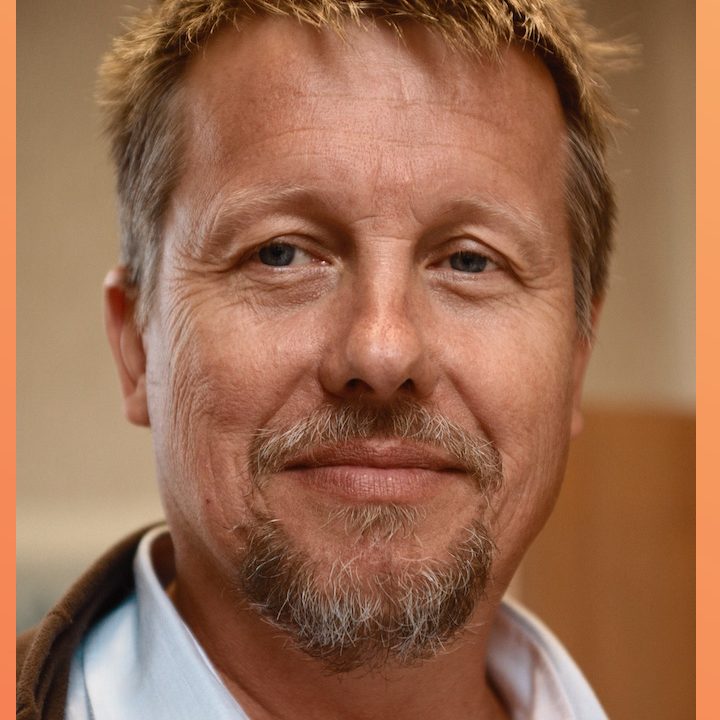
Dr. René Elter is an archaeologist and associate researcher at the University of Lorraine, the École Biblique et Archéologique Française in Jerusalem, and the French Institute of the Near East. Since 2002, he has led the research and development program for the Monastery of Saint-Hilarion in the Gaza Strip. As the scientific coordinator of the Intiqal initiative for the NGO Première Urgence Internationale, he conducts training programs related to archaeology and heritage professions and develops projects focused on rescue interventions and the preservation of Gaza’s significant heritage.
د. رينيه إلتير: عالمُ آثارٍ وباحثٌ مشارك في جامعة لورين والمركز الفرنسيّ لدراسة الكتاب المقدّس والآثار بالقدس والمعهد الفرنسي للشرق الأدنى. يتولى منذ العام 2002 إدارة برنامج البحث والتطوير في دير القديس هيلاريون في قطاع غزّة، وانطلاقًا من منصبه منسقًا علميًا لمبادرة ’انتقال‘ التابعة لمنظمة ’الإغاثة الدولية الأولى‘ غير الحكومية، يُدير برامج تدريبية في مجالي الآثار والتراث ويُطوّر مشاريع تُعنى بالمبادرات الرامية إلى حماية التراث الغني في قطاع غزّة والحفاظ عليه.
Dr. René Elter est archéologue, chercheur associé à l’Université de Lorraine, à l’École biblique et archéologique française de Jérusalem et à l’Institut français du Proche-Orient. Depuis 2002, il dirige, dans la Bande de Gaza, le programme de recherches et de mise en valeur du monastère de Saint-Hilarion. Coordinateur scientifique de l’initiative Intiqal pour l’ONG Première Urgence Internationale, il conduit des programmes de formations en lien avec l’archéologie et les métiers du patrimoine et développe des projets autour d’interventions de sauvetage et de pérennisation de l’important patrimoine de la Bande de Gaza.
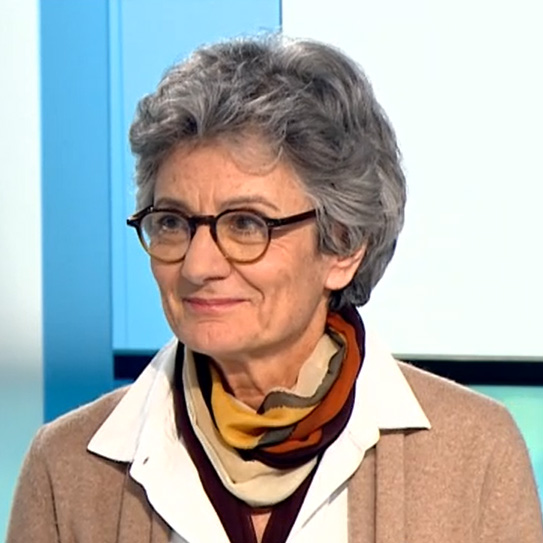
Dr. Anne-Marie Eddé, Emeritus Professor at the University of Paris 1 Panthéon-Sorbonne, is a historian. Her work focuses on the history of Syria-Palestine from the 11th to the 14th century and the study of medieval Arabic sources. Among her publications are The Ayyubid Principality of Aleppo (579/1183–658/1260) (Stuttgart, Franz Steiner Verlag, 1999) and a biography of Saladin (Paris, Flammarion, 2008; 3rd ed. 2025; English translation, Harvard University Press, 2011). More recently, in collaboration with Abdallah Cheikh-Moussa, she edited, translated, and commented on a late 14th-century Mamluk treatise titled Muḥammad IbnʿAqīl, The Ordered Pearls. The Virtues of Sultan Barquq (784-801/1382-1399) (Turnhout, Brepols, 2022).
د. آن ماري إده: أستاذة فخرية في جامعة باريس الأولى بانتيون السوربون ومؤرّخة. ينصبّ التركيز في أعمالها على تاريخ سوريا وفلسطين بيم القرنين الحادي عشر والرابع عشر وعلى دراسة المراجع العربية خلال العصور الوسطى. لها العديد من المؤلفات ومن بينها كتابٌ بعنوان الإمارة الأيوبية في حلب (579/1183 – 658/1260)، شتوتغارت، دار فرانز شتاينر، 1999، وسيرة صلاح الدين الأيوبي الذاتية، باريس، فلاماريون، 2008، الطبعة الثالثة، 2025، والترجمة إلى الإنكليزية، دار جامعة هارفارد للنشر، 2011. ومؤخرًا، تعاونت مع عبد الله شيخ موسى في تحرير الرسالة المملوكية محمد ابن عقيل: الدر النضيد في مناقب المالك الظاهر أبي سعيد ( 784-801/1382-1339) وترجمتها والتعليق عليها، تورنهاوت، بريبولس، 2022.
Dr. Anne-Marie Eddé, Professeure émérite à l’Université Paris 1 Panthéon-Sorbonne, est historienne. Ses travaux portent sur l’histoire de la Syrie-Palestine du XIe au XIVe siècle et sur l’étude des sources arabes médiévales. Elle est l’auteur, entre autres, d’un ouvrage intitulé La principauté ayyoubide d’Alep (579/1183-658/1260), Stuttgart, Franz Steiner Verlag, 1999 et d’une biographie de Saladin, Paris, Flammarion, 2008, 3e éd. 2025, trad. angl., Harvard University Press, 2011. Plus récemment, elle a édité, traduit et commenté, en collaboration avec Abdallah Cheikh-Moussa, un traité mamelouk de la fin du XIVe siècle intitulé Muḥammad IbnʿAqīl, Les perles ordonnées. Des vertus du sultan Barqūq (784-801/1382-1399), Turnhout, Brepols, 2022.
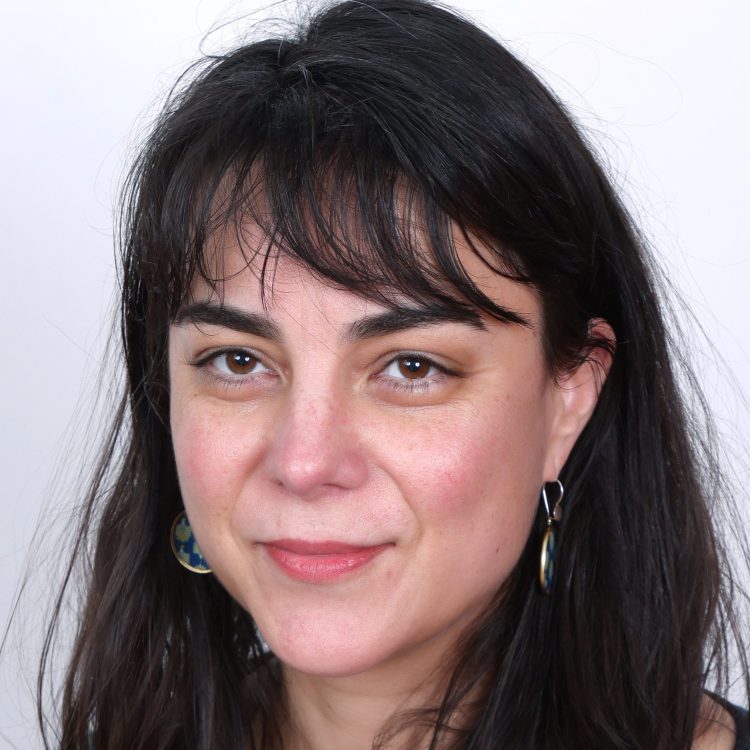
Dr. Eugénie Rébillard is a historian and researcher at the Ifpo. Her work focuses on security institutions in the Sham and Iraq during the Abbasid and Buyid periods.
د. أوجيني ريبيلار: مؤرّخةٌ وباحثةٌ في المعهد الفرنسي للشرق الأدنى، تركّز في عملها على المؤسسات الأمنية في منطقة الشام والعراق أبّان الحقبتين العباسية والبويهية.
Dr. Eugénie Rébillard, historienne, chercheuse à l’Ifpo. Ses travaux portent sur les institutions sécuritaires dans le Sham et l’Irak à l’époque abbasside et bouyide.
Gaza, comment transmettre le patrimoine
Book signing by / Signature du livre de
Dr. René Elter
7 :00 PM
توقيع كتاب للدكتور رينيه إلتر
الساعة 7:00 مساءً
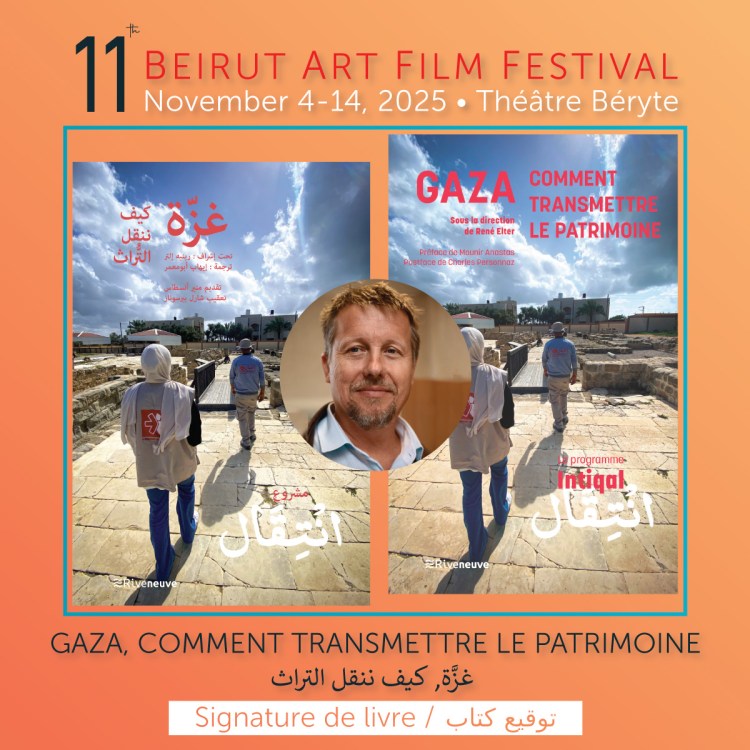
Arabic or French version of the Book sold at 25 USD.
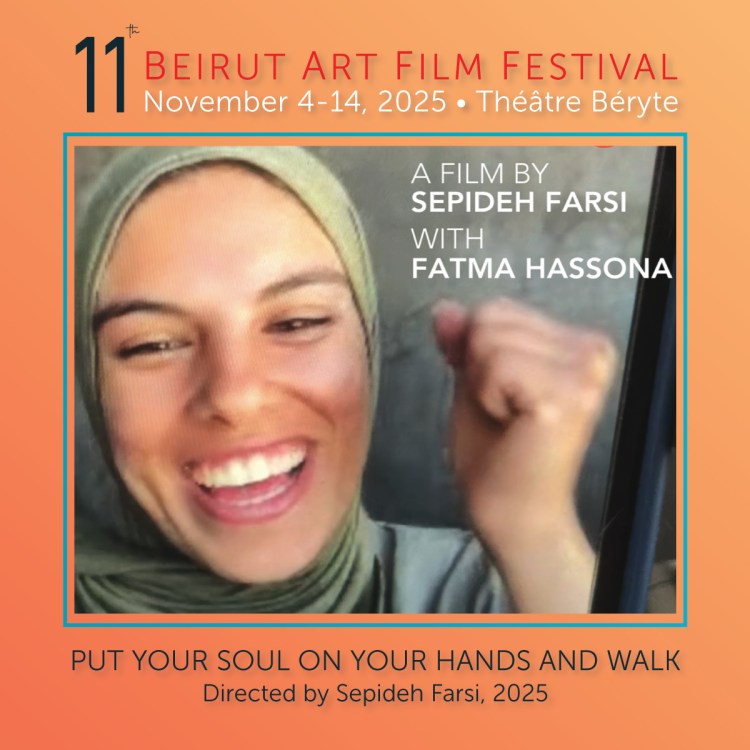
Put Your Soul on Your Hand and Walk
Sepideh Farsi film, MENA Premiere
Gaza Remains the Story / غزّة الباقية

ENG. Gaza Remains the Story exhibits the cause and context of the Palestinian experience, focusing on the land, places, and people of Gaza. The exhibition, produced by The Palestinian Museum N.G. & organized by BAFF, strives to inform, educate, and narrate stories of historical locations and cultural practices in Gaza, providing a glimpse into Gaza’s arts, aspirations, and uniqueness—what remains of it in these harsh times.
This exhibition, printed in HD reproductions, employs texts, drawings, and links to audiovisual material to explore historical, economic, geographic, demographic, and creative aspects of life in Gaza.
غزّة الباقية، يستعرض هذا المعرض قضية التجربة الفلسطينية والإطار الذي يحيط بها، مسلّطًا الضوء على الأرض والأماكن والسكان في غزّة، وهو من إنتاج جمعية ’المتحف الفلسطيني‘ غير الحكومية ومن تنظيم مهرجان بيروت للأفلام الفنية، والهدف منه هو التعريف بسيرة المواقع التاريخية والممارسات الثقافية في غزّة وزيادة الوعي تجاهها ونشرها على أوسع نطاق، من خلال عرض رؤيةٍ عن الفنون والتطلعات والفرادة في غزّة – وهو ما تبقى منها في هذه الفترة الحالكة .يقدم هذا المعرض الذي أُنتج بنسخةٍ عالية الدقّة، نصوصٍ ورسوماتٍ وروابط إلى وسائط سمعية وبصرية تسمح باستكشاف الجوانب التاريخية والاقتصادية والجغرافية والديموغرافية والإبداعية للحياة في غزّة.
FR. Gaza Remains the Story présente la cause et le contexte de l’expérience palestinienne, en mettant l’accent sur la terre, les lieux et les habitants de Gaza. Cette exposition, produite par The Palestinian Museum N.G. et organisée par le BAFF, vise à informer, éduquer et raconter les histoires des sites historiques et des pratiques culturelles à Gaza, offrant un aperçu des arts, des aspirations et de l’unicité de Gaza — ce qui en reste en ces temps difficiles.
Cette exposition, réalisée en reproductions HD, utilise des textes, des dessins et des liens vers des supports audiovisuels pour explorer les aspects historiques, économiques, géographiques, démographiques et créatifs de la vie à Gaza.
Free Entrance,
With the support of Alice Mogabgab.
 Beirut Art Film Festival