
Japan, 2022, 96’, Nagaru Miyake, Japanese/English subtitles.
Monday 13 November 2023 at 18:00.
Théâtre Béryte – USJ (map)
Full Program (PDF)
Antoine Ticketing
Film
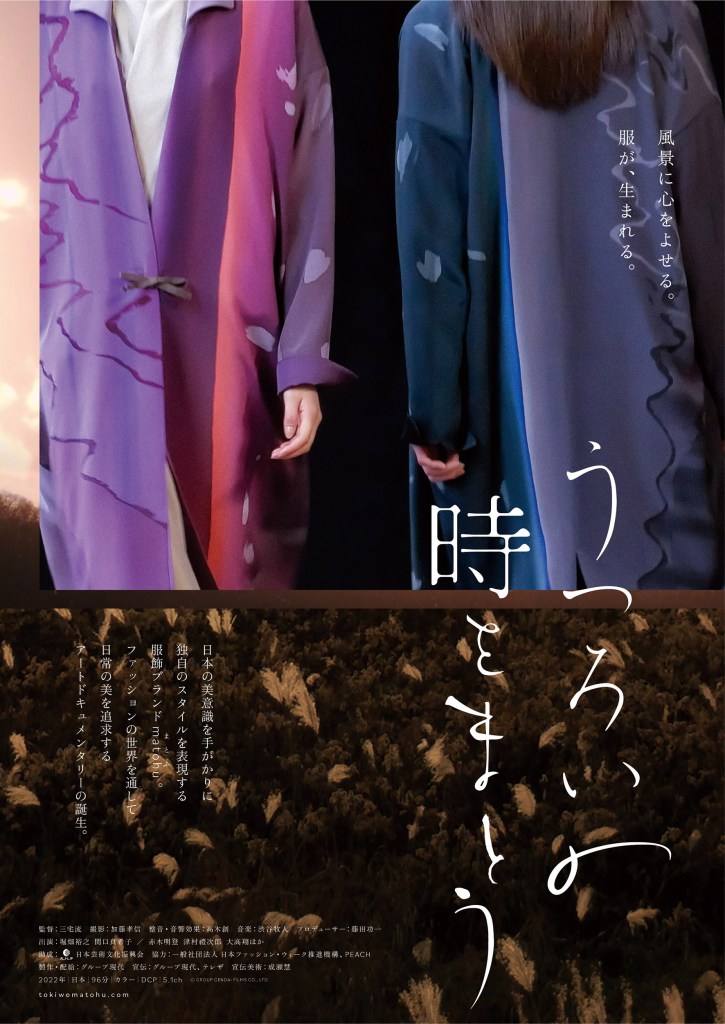
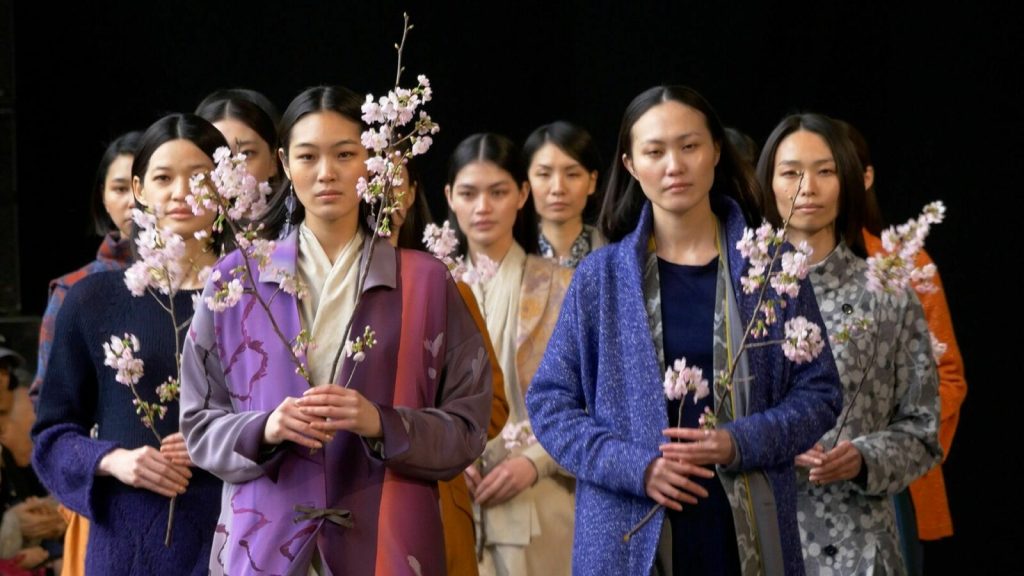
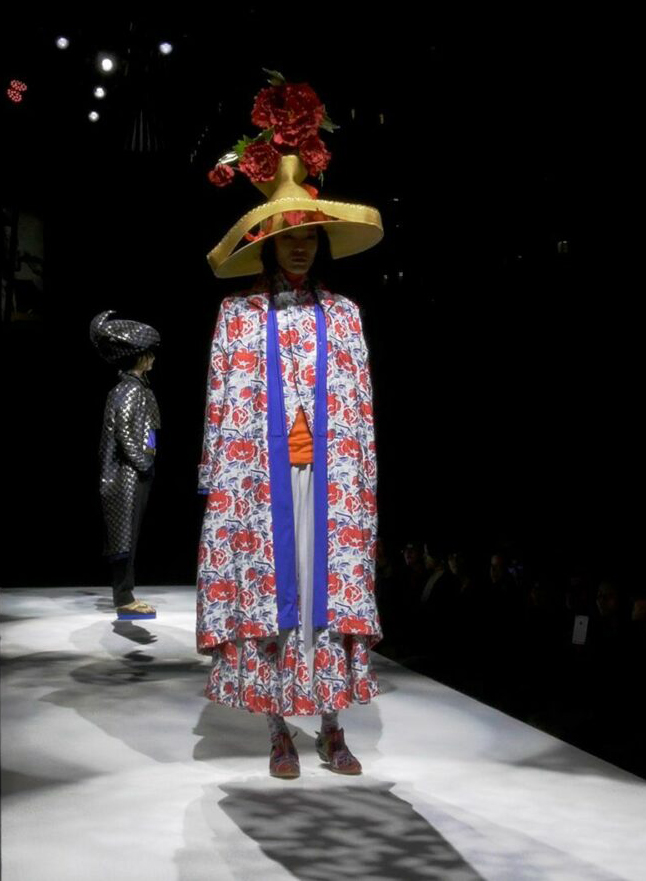
ENG. Mantles of Transience follows the careers of Hiroyuki Horihata and Makiko Sekiguchi, Japanese designers best known for creating the Matohu clothing brand in 2005. The principle behind Matohu? To highlight two Japanese stories by merging the country’s traditional culture with stylistic innovations, while respecting the craft itself. Mantles of Transience is a sensitive work that takes us behind the scenes of fashion design: far from excess, the two designers draw their inspiration from the natural beauty of the little things in everyday life. A film that reveals the philosophy of Japan, and allows us to see beauty where the eye least expects it.
FR. Mantles of Transience suit le parcours de Hiroyuki Horihata et Makiko Sekiguchi, dessinateurs et stylistes japonais, surtout connus pour avoir créé la marque de vêtements Matohu, en 2005. Le principe de Matohu ? Mettre en valeur deux histoires du Japon en fusionnant la culture traditionnelle du pays et des innovations de style, le tout dans un respect du geste artisanal. Mantles of Transience est une œuvre sensible nous plongeant dans l’envers du décor associé à la création de mode : loin de tout excès, les deux stylistes puisent leur inspiration de la beauté naturelle des petites choses de la vie quotidienne. Un film qui révèle la philosophie du Japon, nous faisant voir le beau où le regard ne s’y attend pas.
يتابع فيلم عباءات عابرة مسيرة هيرويوكي هوريهاتا وماكيكو سيكيغوتشي، الرسّامين والمصمّمين اليابانيّين، اللذين اشتهرا بابتكار ماركة ملابس Matohu في العام ٢٠٠٥. مبدأ Matohu؟ تسليط الضوء على قصّتين من اليابان من خلال دمج الثقافة التقليدية للبلاد مع ابتكارات في الأسلوب، وكلّ ذلك مع احترام كلّي للحرفية. عباءات عابرة هو عمل حسّاس ينقلنا إلى ما وراء كواليس عالم تصميم الأزياء : بعيدًا عن أي إفراط، يستمدّ المصمّمان إلهامهما من جمال الأشياء الصغيرة الطبيعيّ في الحياة اليومية. فيلم يكشف عن فلسفة اليابان ويجعلنا نرى الجمال حيث لا تتوقّعه العين
Film Director

Nagaru Miyake was Born in 1974 in Japan. While still studying at Tama Art University, Miyake created experimental films in pursuit of physicality and participated in film festivals in and outside Japan. Since 1995, he has been directing documentary films about traditional performing arts and the communities such traditions are rooted in. He continues to pursue the possibilities of the communication and physicality in the physical expression through his unique point of view.
Nagaru Miyake est né en 1974 au Japon. Pendant ses études à l’université d’art de Tama, Miyake a créé des films à caractère expérimental à la recherche de la physicalité et a participé à des festivals de films au Japon et à l’étranger. Depuis 1995, il réalise des films documentaires sur les arts du spectacle traditionnels et les populations dans lesquelles ces traditions sont enracinées. Il continue de rechercher les possibilités de communication et de physicalité dans l’expression physique à travers son point de vue unique.
ناجارو مياكي ولد مياكي في العام 1974 في اليابان وأثناء دراسته في جامعة تاما للفنون، أخرج أفلامًا تجريبية سعيًا لاستكشاف الفيزيكالية وشارك في مهرجانات سينمائية في اليابان وخارجها. منذ العام 1995، بدأ إنتاج وثائقيات عن فنون المسرح التقليدية والشعوب التي تتجذر لديها هذه التقاليد. وهو في بحثٍ متواصل عن إمكانيات التواصل والفيزيكالية في التعبير الجسدي من خلال منظوره الفريد
Followed by a discussion with

Fifi Abou Dib, journalist and author, lives and works in Beirut. In 1986, she joined L’Orient-le Jour (a French-speaking Lebanese daily newspaper) where she has been writing the weekly column Impression since 2000. She became fashion editor of the newspaper and literary critic for the monthly L’Orient littéraire. Between 2009 and 2019, Fifi Abou Dib was also editor-in-chief of the bimonthly magazine L’Officiel-Levant.
Fifi Abou Dib est journaliste et auteure ; elle vit et travaille à Beyrouth. En 1986, elle entre à L’Orient-le Jour (quotidien libanais de langue française) où depuis 2000 elle signe la chronique hebdomadaire Impression, devient rédactrice mode du journal et critique littéraire au mensuel L’Orient littéraire. Entre 2009 et 2019, Fifi Abou Dib a également été rédactrice en chef du magazine bimestriel L’Officiel-Levant.
فيفي أبو ديب صحافية وكاتبة؛ تعيش وتعمل في بيروت. في عام ١٩٨٦، إنضمّت إلى لوريون لوجور (وهي صحيفة يومية لبنانية تصدر باللغة الفرنسية)، حيث، ومنذ عام ٢٠٠٠، تكتب فيها العمود الأسبوعيّ noisserpmI، كما أصبحت محرّرة الموضة في الصحيفة، وناقدة أدبية في الملحق الشهريّ لوريون الأدبي. بين عامي ٢٠٠٩ و٢٠١٩، تولّت فيفي أبو ديب رئاسة تحرير مجلة tnaveL leiciffO’L التي تصدر كلّ شهرين.
In partnership with 👇
 Beirut Art Film Festival