
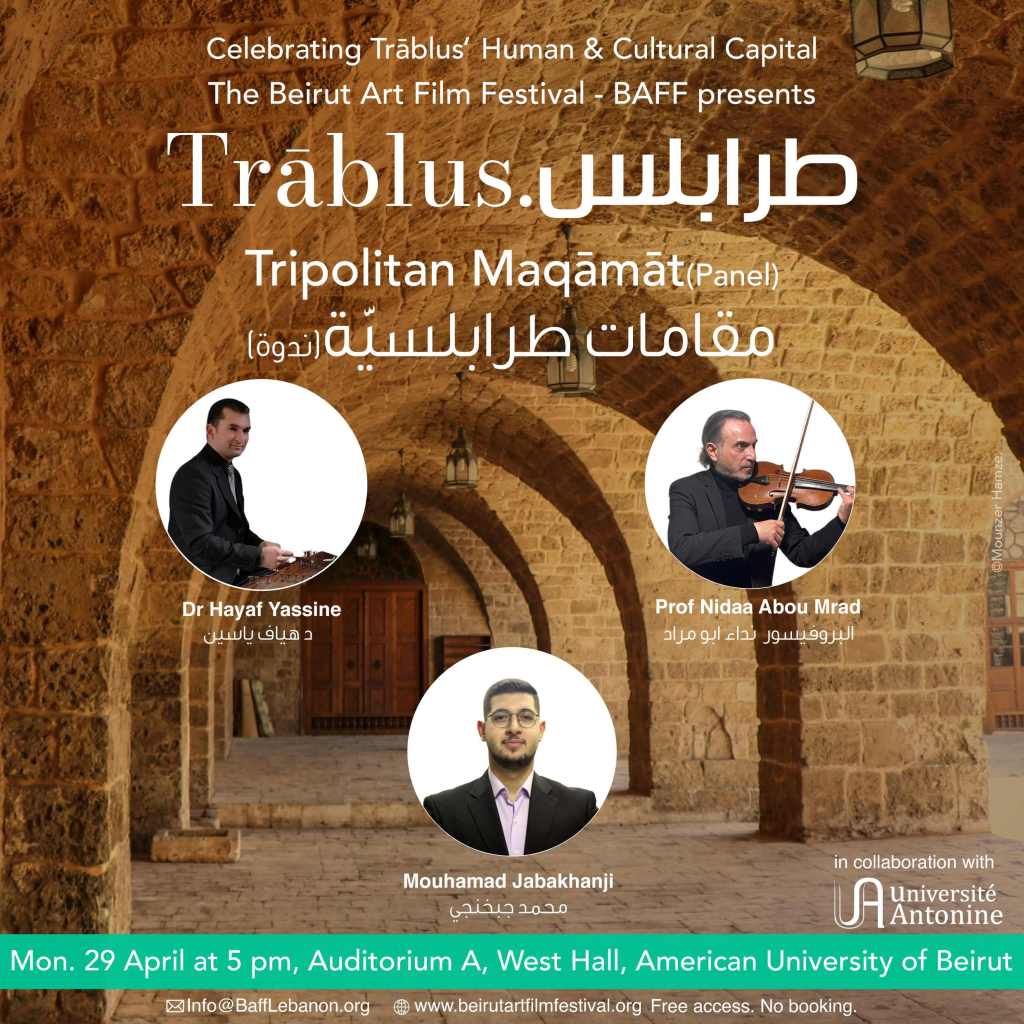
Monday 29 April at 5:00 pm
Panel – ندوة Arabic / 90 min.
Auditorium A – West Hall
American University of Beirut (map).
In collaboration with Antonine University.
Free access without booking.
About the panel / عن الندوة / A propos du panel
Tripolitan Maqāmāt. Tripolitan society has always been one of the Lebanese cultural frameworks most favorable to the practice and listening to the modal musical traditions of the Levant. These include religious/spiritual traditions, such as Sufi brotherhoods chants and ecclesiastical chants, the Arab artistic musical tradition of the Mašriq and popular urban musical traditions. These traditions, notwithstanding their religious and social differences, feed on each other through the ages and transcend city boundaries to form an essential component of what one might metaphorically call the musical tongue of the Mašriq. However, several Tripolitan musical figures have left their mark on these practices, which this panel, moderated by Professor Nidaa Abou Mrad, Dean of the Faculty of Music and Musicology Antonine University, proposes to evaluate with 3 guests.
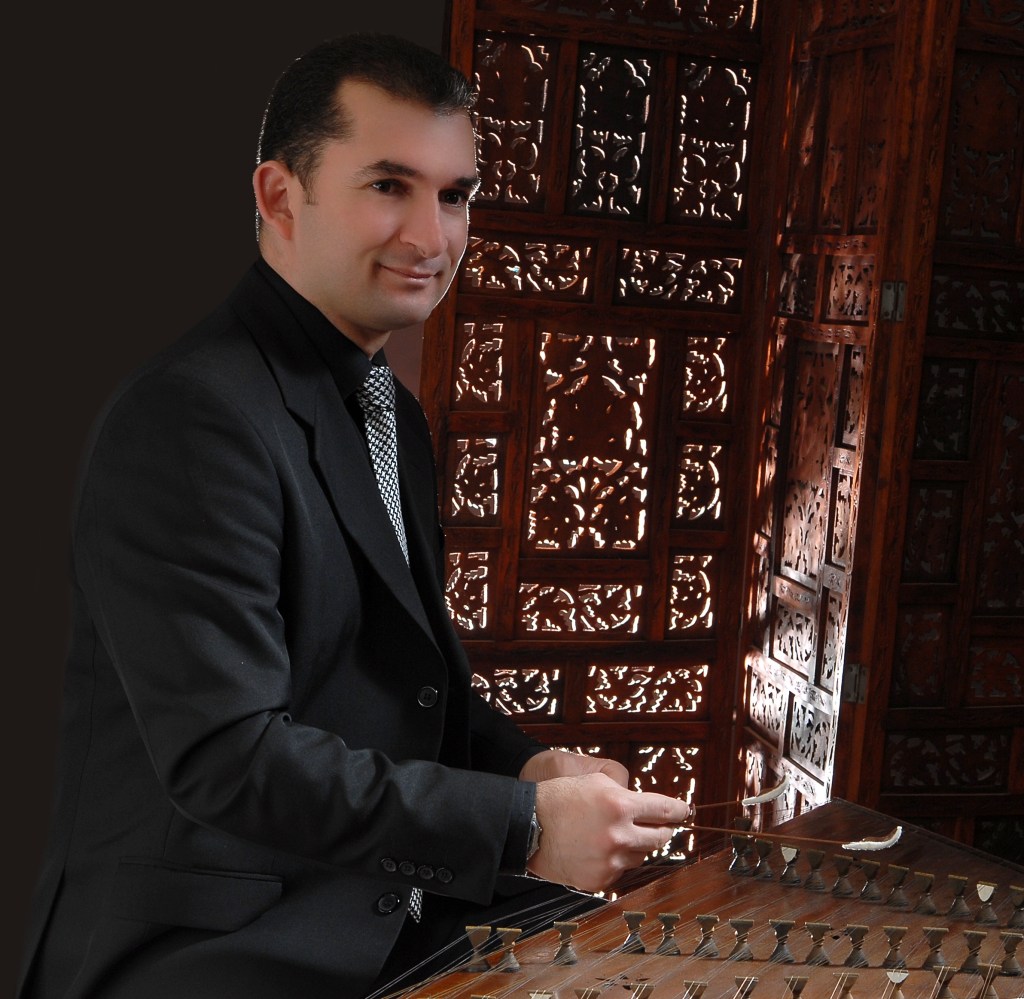
Dr Hayaf Yassine, Chairperson of the Department of General Musicology of Traditions Faculty of Music and Musicology at Antonine University, and Executive Director of Bayt Al-Mūsīqā at Secours Populaire: Arab Artistic Musical Tradition and Popular Musical Traditions in Tripoli;
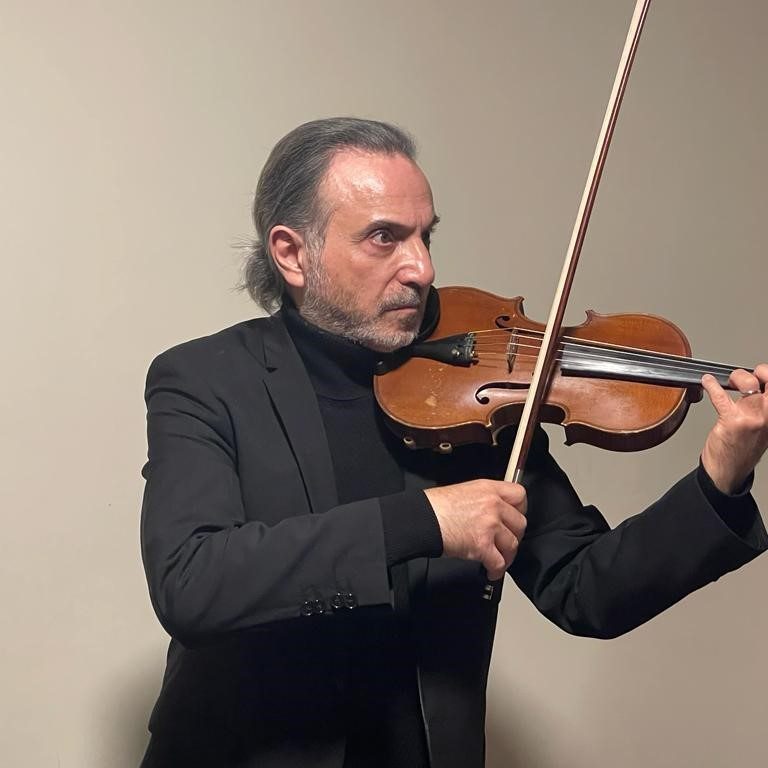
Professor Nidaa Abou Mrad, Dean of the Faculty of Music and Musicology Antonine University: Ecclesiastical Chants in Tripoli;
Mouhamad Jabakhanji, master’s degree in musicology, Antonine University: The Music of the Sufi brotherhood Rifā’iyya in Tripoli.
مقامات طرابلسيّة تُعتبر البيئة الطرابلسيّة من أعرق البيئات الاجتماعيّة اللبنانيّة في احتضانها التقاليد الموسيقيّة المقاميّة المشرقيّة. وتندرج هذه التقاليد في ما هو روحيّ، بخاصّة الإنشاد الصوفيّ الإسلاميّ والترنيم الكنسيّ، وفي ما هو فنّيّ، أي التقليد الموسيقيّ الفنّيّ المشرقيّ العربيّ، وفي ما هو شعبيّ، أي التقاليد الموسيقيّة الشعبيّة المدنيّة في طرابلس، وهي تقاليد، بغضّ النظر عن فوارقها الدينيّة والاجتماعيّة، تتغذّى بعضها من بعض على مرّ العصور، وتتخطّى الحدود المناطقيّة لتشكّل مكوّنًا أساسيًّا لما يُمكن تسميته مجازًا “لسان المشرق العربيّ الموسيقيّ المقاميّ”. وقد برزت شخصيّات طرابلسيّة أجادت وتألّقت في ممارسة تلك التقاليد وتنميتها في القرن العشرين، وذلك في تفاعل مستمرّ مع جمهور كثيف من المتذوّقين السامعين العارفين.
تهدف ندوة “مقامات من طرابلس” التي يديرها البروفيسور نداء أبو مراد، عميد كلية الموسيقى وعلم الموسيقى في الجامعة الأنطونية، توصيف التقاليد الموسيقيّة المقاميّة الأساسيّة الحيّة في طرابلس، وذلك مع ثلاثة ضيوف.
د هيّاف ياسين، رئيس قسم علم الموسيقى في كلّيّة الموسيقى وعلم الموسيقى في الجامعة الأنطونيّة ومدير عامّ بيت الموسيقى – النجدة الشعبيّة: “التقليد الموسيقيّ الفنّيّ المشرقيّ العربيّ والتقاليد الموسيقيّة الشعبيّة في طرابلس”
البروفيسور نداء أبو مراد، عميد كلية الموسيقى وعلم الموسيقى في الجامعة الأنطونية، “الترنيم الكنسيّ في طرابلس”.
محمّد جبخنجيّ، ماجستير في علم الموسيقى من الجامعة الأنطونيّة: “الموسيقى الصوفيّة في الحضرة الرفاعيّة في مدينة طرابلس”.
Maqāmāt tripolitaines. La société tripolitaine a toujours constitué l’un des cadres culturels libanais propices à la pratique et à l’écoute des traditions musicales modales du Levant. Celles-ci se déclinent en traditions religieuses ou spirituelles, comme les chants des confréries soufies et les chants ecclésiastiques, en la tradition musicale artistique arabe du Mašriq et en des traditions musicales populaires citadines. Ces traditions, nonobstant leurs différences religieuses et sociales, se nourrissent les unes des autres au fil des âges et transcendent les frontières citadines pour former une composante essentielle de ce que l’on pourrait dénommer métaphoriquement la langue musicale du Mašriq. Or, plusieurs figures musicales tripolitaines ont marqué ces pratiques de leur sceau, ce que ce panel, modéré par le Professeur Nidaa Abou Mrad, doyen de la Faculté de musique et musicologie Université Antonine, propose de récapituler avec trois invités.
Dr Hayaf Yassine, chef du département de musicologie générale des traditions Faculté de musique et musicologie à l’Université Antonine et directeur général de Bayt Al-Mūsīqā au Secours Populaire : Tradition musicale artistique arabe et traditions musicales populaires à Tripoli ;
Professeur Nidaa Abou Mrad, doyen de la Faculté de musique et musicologie Université Antonine : Le chant ecclésiastique à Tripoli ;
Mouhamad Jabakhanji, titulaire du master en musicologie de l’Université Antonine : La musique de la confrérie soufie Rifā‘iyya à Tripoli.
Speakers / المحاضرون / Conférenciers
البروفيسور نداء أبو مراد
د هيّاف ياسين

محمّد جبخنجيّ
In partnership with
with the support of
 Beirut Art Film Festival